Have your feet inspected by a professional before starting a new sport or physical activity. Taking charge of your foot health will keep you in good physical condition and can help you avoid a potential injury, such as a fracture or sprained ankle.
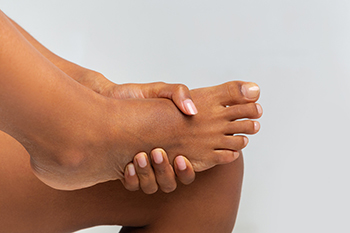
The bottom of the foot and the arch are common places to have foot pain. This can happen for a variety of reasons, including wearing shoes that do not fit correctly and standing on hard or uneven surfaces for most of the day. It is important to manage the pain by implementing specific techniques. Some people find relief by wearing insoles that can provide cushioning, in addition to wearing shoes that have ample support. Obesity may be a cause for foot pain to develop, and losing weight may help to reduce pressure on the soles of the feet. Performing gentle stretches may help to relieve foot pain, which may benefit the overall body. It is wise to temporarily stop any type of activity that may have caused the pain, in addition to frequently elevating the affected foot. If you have foot pain for any reason, it is suggested that you schedule an appointment with a podiatrist who can determine the cause and offer you the correct treatment options.
Foot Pain
Foot pain can be extremely painful and debilitating. If you have a foot pain, consult with Terri Quebedeaux, DPM from Agave Podiatry . Our doctor will assess your condition and provide you with quality foot and ankle treatment.
Causes
Foot pain is a very broad condition that could be caused by one or more ailments. The most common include:
Bunions
Hammertoes
Plantar Fasciitis
Bone Spurs
Corns
Tarsal Tunnel Syndrome
Ingrown Toenails
Arthritis (such as Gout, Rheumatoid, and Osteoarthritis)
To figure out the cause of foot pain, podiatrists utilize several different methods. This can range from simple visual inspections and sensation tests to X-rays and MRI scans. Prior medical history, family medical history, and any recent physical traumatic events will all be taken into consideration for a proper diagnosis.
Treatment
Treatment depends upon the cause of the foot pain. Whether it is resting, staying off the foot, or having surgery; podiatrists have a number of treatment options available for foot pain.
If you have any questions, please feel free to contact our offices located in Seguin, LaVernia, Gonzales, and Lockhart, TX. We offer the newest diagnostic and treatment technologies for all your foot care needs.
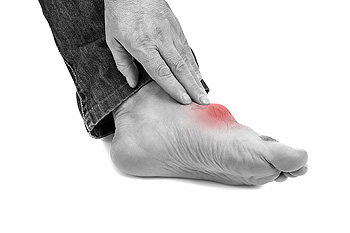
There is no question about how painful gout can be. It is a foot condition that is classified as arthritis, which happens when crystals form in the joints of the big toe. This is caused by having excess uric acid in the blood, which can come from the type of foods that are eaten. These can include foods that are laden with purines, such as shellfish, red meat, and drinks that are made with large amounts of sugar. Genetic factors may also contribute to getting gout, and patients may want to be aware of what they are eating if it runs in their families. Common symptoms that many patients experience can include swelling surrounding the affected joint, and it may be warm and tender when touched. There may be existing medical conditions that can lead to developing gout. These can consist of diabetes, kidney disease, obesity, and high blood pressure. If you have bouts of gout, it is suggested that you consult with a podiatrist who can guide you toward effective treatment and prevention methods.
Gout is a painful condition that can be treated. If you are seeking treatment, contact Terri Quebedeaux, DPM from Agave Podiatry . Our doctor will treat your foot and ankle needs.
What Is Gout?
Gout is a form of arthritis that is characterized by sudden, severe attacks of pain, redness, and tenderness in the joints. The condition usually affects the joint at the base of the big toe. A gout attack can occur at any random time, such as the middle of the night while you are asleep.
Symptoms
Intense Joint Pain - Usually around the large joint of your big toe, and it most severe within the first four to twelve hours
Lingering Discomfort - Joint discomfort may last from a few days to a few weeks
Inflammation and Redness -Affected joints may become swollen, tender, warm and red
Limited Range of Motion - May experience a decrease in joint mobility
Risk Factors
Genetics - If family members have gout, you’re more likely to have it
Medications - Diuretic medications can raise uric acid levels
Gender/Age - Gout is more common in men until the age of 60. It is believed that estrogen protects women until that point
Diet - Eating red meat and shellfish increases your risk
Alcohol - Having more than two alcoholic drinks per day increases your risk
Obesity - Obese people are at a higher risk for gout
Prior to visiting your podiatrist to receive treatment for gout, there are a few things you should do beforehand. If you have gout you should write down your symptoms--including when they started and how often you experience them, important medical information you may have, and any questions you may have. Writing down these three things will help your podiatrist in assessing your specific situation so that he or she may provide the best route of treatment for you.
If you have any questions, please feel free to contact our offices located in Seguin, LaVernia, Gonzales, and Lockhart, TX. We offer the newest diagnostic and treatment technologies for all your foot care needs.
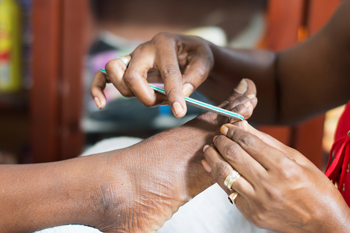
The result of practicing a good everyday foot care routine can improve the skin on the feet, in addition to possibly providing a general sense of well being. The feet endure the weight of the body, and they are often the most neglected area when engaging in self-care. Cold winter months may cause the skin on the feet to flake or crack, and using a good moisturizer may restore the oils in the skin. The skin can soften when they are soaked in warm water with Epsom salt, and the feet can be exfoliated as they are rubbed together. It is beneficial to trim the toenails to the desired length, and this can prep the nails to be polished. The feet can feel better when the correct size shoes and socks are worn and gentle toe stretches are performed. If you have questions and would like to learn about additional everyday foot care techniques, it is suggested that you confer with a podiatrist.
Everyday foot care is very important to prevent infection and other foot ailments. If you need your feet checked, contact Terri Quebedeaux, DPM from Agave Podiatry . Our doctor can provide the care you need to keep you pain-free and on your feet.
Everyday Foot Care
Often, people take care of their bodies, face and hair more so than they do for their feet. But the feet are a very important aspect of our bodies, and one that we should pay more attention to. Without our feet, we would not be able to perform most daily tasks.
It is best to check your feet regularly to make sure there are no new bruises or cuts that you may not have noticed before. For dry feet, moisturizer can easily be a remedy and can be applied as often as necessary to the affected areas. Wearing shoes that fit well can also help you maintain good foot health, as well as making it easier to walk and do daily activities without the stress or pain of ill-fitting shoes, high heels, or even flip flops. Wearing clean socks with closed shoes is important to ensure that sweat and bacteria do not accumulate within the shoe. Clean socks help to prevent Athlete’s foot, fungi problems, bad odors, and can absorb sweat.
If you have any questions please feel free to contact our offices located in Seguin, LaVernia, Gonzales, and Lockhart, TX. We offer the newest diagnostic and treatment technologies for all your foot and ankle needs.
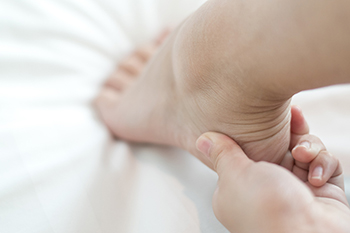
Sever’s disease is a swelling and irritation of the growth plate in the heels of children. The growth plate refers to a layer of cartilage near the end of a bone and this is where most bone growth occurs. It can be weaker and more prone to injury than the rest of the bone. Sever’s disease can come on during puberty when growth spurts are common. Bones, muscles, and tendons grow at different rates, and if the muscles and tendons become tight, which can easily happen from sports or prolonged standing, they can pull on the growth plate in the heel. This condition often causes pain and tenderness in one or both heels. The feet may be stiff when the child first wakes up and they may limp or walk on tiptoes to deal with the pain. This is a condition that can usually be managed without chronic issues. If your child complains of heel pain or you notice that their gait is off, it is suggested that you take them to see a podiatrist who can properly diagnose the problem and provide treatment options.
Many people suffer from bouts of heel pain. For more information, contact Terri Quebedeaux, DPM of Agave Podiatry . Our doctor can provide the care you need to keep you pain-free and on your feet.
Causes of Heel Pain
Heel pain is often associated with plantar fasciitis. The plantar fascia is a band of tissues that extends along the bottom of the foot. A rip or tear in this ligament can cause inflammation of the tissue.
Achilles tendonitis is another cause of heel pain. Inflammation of the Achilles tendon will cause pain from fractures and muscle tearing. Lack of flexibility is also another symptom.
Heel spurs are another cause of pain. When the tissues of the plantar fascia undergo a great deal of stress, it can lead to ligament separation from the heel bone, causing heel spurs.
Why Might Heel Pain Occur?
Wearing ill-fitting shoes
Wearing non-supportive shoes
Weight change
Excessive running
Treatments
Heel pain should be treated as soon as possible for immediate results. Keeping your feet in a stress-free environment will help. If you suffer from Achilles tendonitis or plantar fasciitis, applying ice will reduce the swelling. Stretching before an exercise like running will help the muscles. Using all these tips will help make heel pain a condition of the past.
If you have any questions please contact our offices located in Seguin, LaVernia, Gonzales, and Lockhart, TX. We offer the newest diagnostic and treatment technologies for all your foot and ankle needs.