Constant care and regular evaluation are important for a foot or ankle fracture. If left untreated, foot or ankle fractures can worsen over time and create more serious problems.
Don't wait to be examined if you believe you've experienced a foot or ankle fracture.
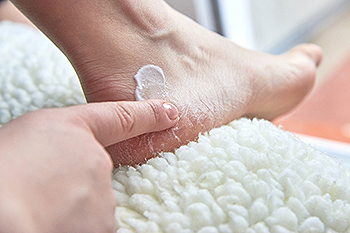
People may be prone to developing the foot condition that is known as cracked heels during the summer months. The warmer months invite flip-flops and backless shoes to be worn, and the heels may suffer. More pressure may be exerted on the heels while walking, which may be a result of a change in gait, or walking style. Obesity can also be a reason why cracked heels can develop, which can be from the excess weight the feet endure. Signs of cracked heels can begin with the skin becoming thicker, followed by small cracks forming. If prompt attention is not received, they can deepen into fissures, and possibly become infected. Mild relief may be found when the feet are washed and dried daily, and a good moisturizer is applied to them. Effective prevention methods for cracked heels can include wearing shoes that have a closed back and drinking plenty of water daily. If you have developed cracked heels, it is suggested that you confer with a podiatrist who can offer you helpful relief remedies.
If the skin on your feet starts to crack, you may want to see a podiatrist to find treatment. If you have any concerns, contact Terri Quebedeaux, DPM from Agave Podiatry . Our doctor can provide the care you need to keep you pain-free and on your feet.
Cracked Heels
It is important to moisturize your cracked heels in order to prevent pain, bleeding, and infection. The reason cracked heels form is because the skin on the foot is too dry to support the immense pressure placed on them. When the foot expands, the dry skin on the foot begins to split.
Ways to Help Heal Them
Invest in a good foot cream
Try Using Petroleum Jelly
Ease up on Soaps
Drink Plenty of Water
Ways to Prevent Cracked Heels
Moisturize After Showering
Skip a Shower
Keep Shower Water Lukewarm
Don’t Scrub Your Feet
If you are unsure how to proceed in treating cracked heels, seek guidance from a podiatrist. Your doctor will help you with any questions or information you may need.
If you have any questions, please feel free to contact our offices located in Seguin, LaVernia, Gonzales, and Lockhart, TX. We offer the newest diagnostic and treatment technologies for all your foot care needs.
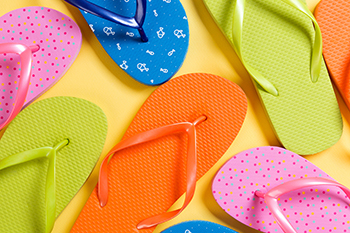
Many students go back to school after having worn flip-flops most of the summer. Flip-flops are enticing footwear for young people because they are inexpensive, come in many colors, and can be fashionable. However, these sandals do not cushion or support feet and will often lead to foot problems. It is not generally known that new bone growth continues in the heels of feet through the teen years. Flip-flops do not cushion the heel and repeated stress from walking in these shoes can lead to heel inflammation in the bone growth area and cause pain. In addition to heel and arch pain, flip-flops can lead to sprained ankles, cuts and scrapes, and callus buildup on the heels and toes. Stretching exercises and shoe inserts can help with pain incurred from wearing these shoes, but reducing the time flip-flops are worn and keeping them for beach-going or around pools is best. If your child has foot pain after wearing flip-flops, it is suggested that you take them to see a podiatrist who can assess the damage and provide proper treatment.
Flip-flops are not always the best choice of footwear. If you have any concerns about your feet or ankles, contact Terri Quebedeaux, DPM from Agave Podiatry . Our doctor will assist you with all of your foot and ankle needs.
Flip-Flops and Feet
When the weather starts warming up, people enjoy wearing flip-flops. Flip-flops are comfortable, stylish, and easy to slip on and off; they're perfect for any summer beach goer. However, these shoes can cause harm to the feet.
How Can Flip-Flops Affect Me Long-Term?
Ankle problems
Hip problems
Lower back problems
Pain in the balls of the feet
Problems with foot arches
Changes in the way you walk
Are There Injuries Associated with Flip-Flops?
Yes. Since flip-flops are relatively weak and do not provide the same amount of support as sneakers, people who wear flip-flops regularly are more susceptible to injuries. On top of that, the open nature of the shoe makes your feet more prone to other problems, such as cuts and even infections. Common injuries and ailments include:
Sprained ankles
Blisters
Infections
Cuts and Scrapes
I like Wearing Flip-Flops. Are There Safe Alternatives?
When buying flip-flops, try to find ones that have sturdy soles and that are made of high-quality materials that will support for your feet. These flip-flops will cost more but will also last longer as a result.
If you have any questions please feel free to contact our offices located in Seguin, LaVernia, Gonzales, and Lockhart, TX. We offer the newest diagnostic and treatment technologies for all your foot and ankle needs.
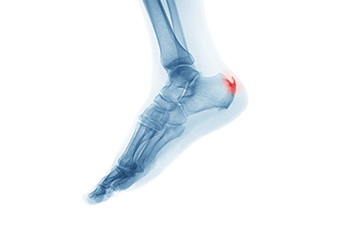
A calcium deposit that grows under the heel bone is known as a heel spur. It can be uncomfortable, and many people will alter their gait or walking style to accommodate the pain it can cause. A heel spur can gradually develop as a result of ligament or muscle strain, and heel pain is a common beginning symptom. People who stand on hard or uneven surfaces for the majority of the day may be prone to developing a heel spur, or it may happen to patients who have gained weight. It is beneficial to seek help from a podiatrist who can effectively diagnose a heel spur. Relief may be found when custom-made orthotics are worn, and specific stretches are routinely performed that can help to strengthen the heel muscles. It is helpful to wear shoes that fit correctly, with extra cushioning in the heel area. If you have developed a heel spur, it is suggested that you are under the care of a podiatrist who can offer you treatment methods that are correct for you.
Heel spurs can be incredibly painful and sometimes may make you unable to participate in physical activities. To get medical care for your heel spurs, contact Terri Quebedeaux, DPM from Agave Podiatry . Our doctor will do everything possible to treat your condition.
Heels Spurs
Heel spurs are formed by calcium deposits on the back of the foot where the heel is. This can also be caused by small fragments of bone breaking off one section of the foot, attaching onto the back of the foot. Heel spurs can also be bone growth on the back of the foot and may grow in the direction of the arch of the foot.
Older individuals usually suffer from heel spurs and pain sometimes intensifies with age. One of the main condition's spurs are related to is plantar fasciitis.
Pain
The pain associated with spurs is often because of weight placed on the feet. When someone is walking, their entire weight is concentrated on the feet. Bone spurs then have the tendency to affect other bones and tissues around the foot. As the pain continues, the feet will become tender and sensitive over time.
Treatments
There are many ways to treat heel spurs. If one is suffering from heel spurs in conjunction with pain, there are several methods for healing. Medication, surgery, and herbal care are some options.
If you have any questions feel free to contact our offices located in Seguin, LaVernia, Gonzales, and Lockhart, TX. We offer the latest in diagnostic and treatment technology to meet your needs.
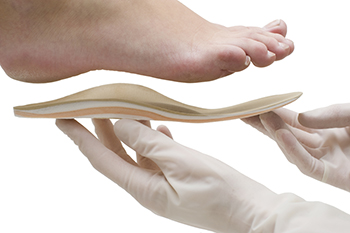
Orthotics are medical devices that are worn inside the shoe. People who have foot pain or an abnormal foot structure may benefit from wearing orthotics, which may aid in completing daily activities. Custom-made orthotics may help patients who have diabetes, plantar fasciitis, or arch pain. These are designed and fitted by podiatrists and many benefits can be associated with wearing these types of orthotics. These can include improving the gait, or walking style, maintaining body alignment, and possibly relieving foot pain from arthritis. Wearing orthotics may reduce existing ankle pain, and it may be easier to walk. If you have foot pain for any reason, it is suggested that you speak with a podiatrist who can discuss the benefits of wearing custom-made orthotics and determine if this is the right choice for you.
If you are having discomfort in your feet and would like to try orthotics, contact Terri Quebedeaux, DPM from Agave Podiatry . Our doctor can provide the care you need to keep you pain-free and on your feet.
What Are Orthotics?
Orthotics are inserts you can place into your shoes to help with a variety of foot problems such as flat feet or foot pain. Orthotics provide relief and comfort for minor foot and heel pain but can’t correct serious biomechanical problems in your feet.
Over-the-Counter Inserts
Orthotics come in a wide variety of over-the-counter inserts that are used to treat foot pain, heel pain, and minor problems. For example, arch supports can be inserted into your shoes to help correct overarched or flat feet, while gel insoles are often used because they provide comfort and relief from foot and heel pain by alleviating pressure.
Prescription Orthotics
If over-the-counter inserts don’t work for you or if you have a more severe foot concern, it is possible to have your podiatrist prescribe custom orthotics. These high-quality inserts are designed to treat problems such as abnormal motion, plantar fasciitis, and severe forms of heel pain. They can even be used to help patients suffering from diabetes by treating foot ulcers and painful calluses and are usually molded to your feet individually, which allows them to provide full support and comfort.
If you are experiencing minor to severe foot or heel pain, it’s recommended to speak with your podiatrist about the possibilities of using orthotics. A podiatrist can determine which type of orthotic is right for you and allow you to take the first steps towards being pain-free.
If you have any questions please contact our offices located in Seguin, LaVernia, Gonzales, and Lockhart, TX. We offer the newest diagnostic and treatment technologies for all your foot and ankle needs.