
You don't need an excuse to have beautiful nails. Step outside without worrying about the appearance of your feet.
You don't need an excuse to have beautiful nails. Step outside without worrying about the appearance of your feet.
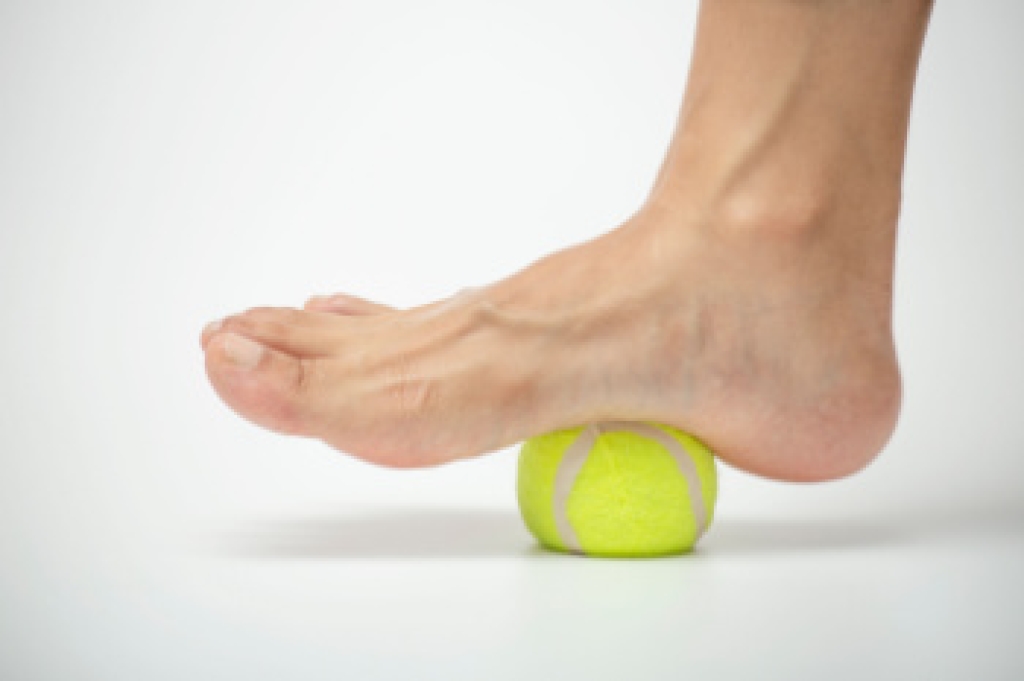
Plantar fasciitis is a common cause of heel and arch discomfort that can interfere with daily movement and comfort. Targeted exercises can help relieve pain by improving flexibility, strength, and support in the foot and lower leg. The gastrocnemius stretch is performed by standing with one leg behind the other and gently leaning forward to stretch the upper calf, which helps reduce strain on the heel. The soleus stretch is done in a similar position with the back knee slightly bent to target deeper calf muscles that affect walking mechanics. Additionally, a plantar fascia stretch can be performed by pulling the toes back toward the shin while seated to stretch the tissue along the bottom of the foot. Strengthening exercises such as the short foot exercise involve gently lifting the arch without curling the toes, while marble pick ups require grasping small objects with the toes to improve muscle control. If you have heel pain, it is suggested that you consult a podiatrist who can accurately plantar fasciitis, and guide you toward additional pain-relieving techniques.
Exercising your feet regularly with the proper foot wear is a great way to prevent injuries and build strength. If you have any concerns about your feet, contact Terri Quebedeaux, DPM from Agave Podiatry . Our doctor can provide the care you need to keep you pain-free and on your feet.
Exercise for Your Feet
Exercise for your feet can help you gain strength, mobility and flexibility in your feet. They say that strengthening your feet can be just as rewarding as strengthening another part of the body. Your feet are very important, and we often forget about them in our daily tasks. But it is because of our feet that are we able to get going and do what we need to. For those of us fortunate enough to not have any foot problems, it is an important gesture to take care of them to ensure good health in the long run.
Some foot health exercises can include ankle pumps, tip-toeing, toe rises, lifting off the floor doing reps and sets, and flexing the toes. It is best to speak with Our doctor to determine an appropriate regimen for your needs. Everyone’s needs and bodies are different, and the activities required to maintain strength in the feet vary from individual to individual.
Once you get into a routine of doing regular exercise, you may notice a difference in your feet and how strong they may become.
If you have any questions, please feel free to contact our offices located in Seguin, LaVernia, Gonzales, and Lockhart, TX . We offer the newest diagnostic and treatment technologies for all your foot care needs.
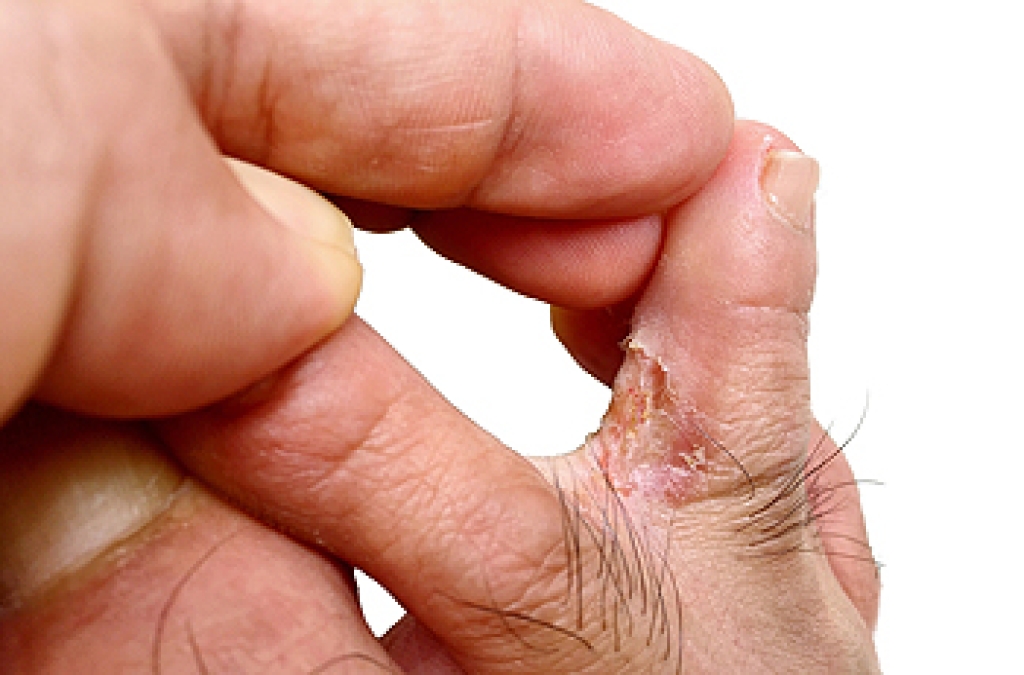
Athlete’s foot is a contagious fungal infection that affects the skin on the feet, particularly between the toes. It develops in warm, moist environments and is commonly caused by walking barefoot in public showers, locker rooms, or around pools. Risk factors include wearing tight or non-breathable shoes, excessive sweating, and compromised immune function. Symptoms often include itching, redness, peeling, burning, and cracking of the skin. Preventive measures include keeping feet clean and dry, changing socks regularly, wearing breathable shoes, and avoiding walking barefoot in shared spaces. A podiatrist can diagnose athlete’s foot, provide effective antifungal treatment, and recommend strategies to prevent recurrence. If you notice persistent itching or skin changes on your feet, it is suggested that you consult a podiatrist who can treat this condition, which may include prescribed medication.
Athlete’s foot is an inconvenient condition that can be easily reduced with the proper treatment. If you have any concerns about your feet and ankles, contact Terri Quebedeaux, DPM from Agave Podiatry . Our doctor will treat your foot and ankle needs.
Athlete’s Foot: The Sole Story
Athlete's foot, also known as tinea pedis, can be an extremely contagious foot infection. It is commonly contracted in public changing areas and bathrooms, dormitory style living quarters, around locker rooms and public swimming pools, or anywhere your feet often come into contact with other people.
Solutions to Combat Athlete’s Foot
Athlete’s foot can cause many irritating symptoms such as dry and flaking skin, itching, and redness. Some more severe symptoms can include bleeding and cracked skin, intense itching and burning, and even pain when walking. In the worst cases, Athlete’s foot can cause blistering as well. Speak to your podiatrist for a better understanding of the different causes of Athlete’s foot, as well as help in determining which treatment options are best for you.
If you have any questions please feel free to contact our offices located in Seguin, LaVernia, Gonzales, and Lockhart, TX . We offer the newest diagnostic and treatment technologies for all your foot and ankle needs.
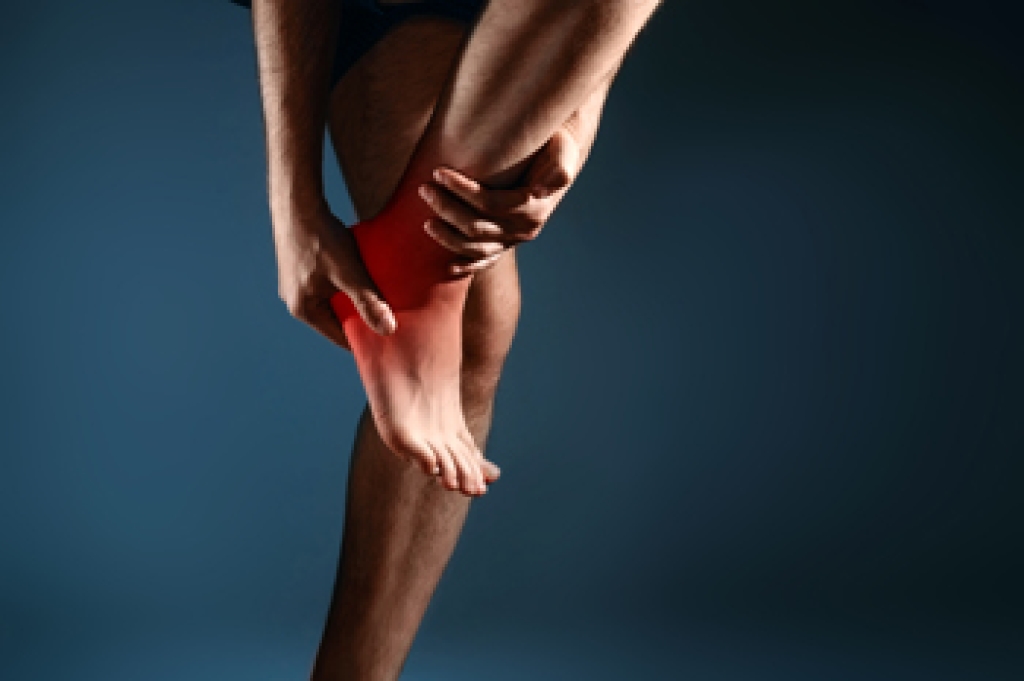
Heel pain can develop for many reasons, and identifying the source of the discomfort often helps guide care. Plantar fasciitis typically causes sharp pain on the bottom of the heel when stepping out of bed, while Achilles tendonitis leads to tightening or burning at the back of the heel. Bursitis can create a deep ache where soft tissue becomes irritated near the heel bone, and a heel spur may cause sharp pain during weight-bearing. Stress fractures of the heel bone cause swelling and tenderness that worsen with activity, and fat pad atrophy leads to a bruised feeling under the heel. Children may experience Sever’s disease, which causes pain at the back of the heel during running and jumping. A podiatrist can identify the reason for the pain, decide whether imaging or surgery is needed, and offer treatment like orthotics, when appropriate. If you have persistent or unexplained heel pain, it is suggested that you schedule an appointment with a podiatrist for a diagnosis and options for treatment.
Many people suffer from bouts of heel pain. For more information, contact Terri Quebedeaux, DPM of Agave Podiatry . Our doctor can provide the care you need to keep you pain-free and on your feet.
Causes of Heel Pain
Heel pain is often associated with plantar fasciitis. The plantar fascia is a band of tissues that extends along the bottom of the foot. A rip or tear in this ligament can cause inflammation of the tissue.
Achilles tendonitis is another cause of heel pain. Inflammation of the Achilles tendon will cause pain from fractures and muscle tearing. Lack of flexibility is also another symptom.
Heel spurs are another cause of pain. When the tissues of the plantar fascia undergo a great deal of stress, it can lead to ligament separation from the heel bone, causing heel spurs.
Why Might Heel Pain Occur?
Treatments
Heel pain should be treated as soon as possible for immediate results. Keeping your feet in a stress-free environment will help. If you suffer from Achilles tendonitis or plantar fasciitis, applying ice will reduce the swelling. Stretching before an exercise like running will help the muscles. Using all these tips will help make heel pain a condition of the past.
If you have any questions, please feel free to contact our offices located in Seguin, LaVernia, Gonzales, and Lockhart, TX . We offer the newest diagnostic and treatment technologies for all your foot care needs.
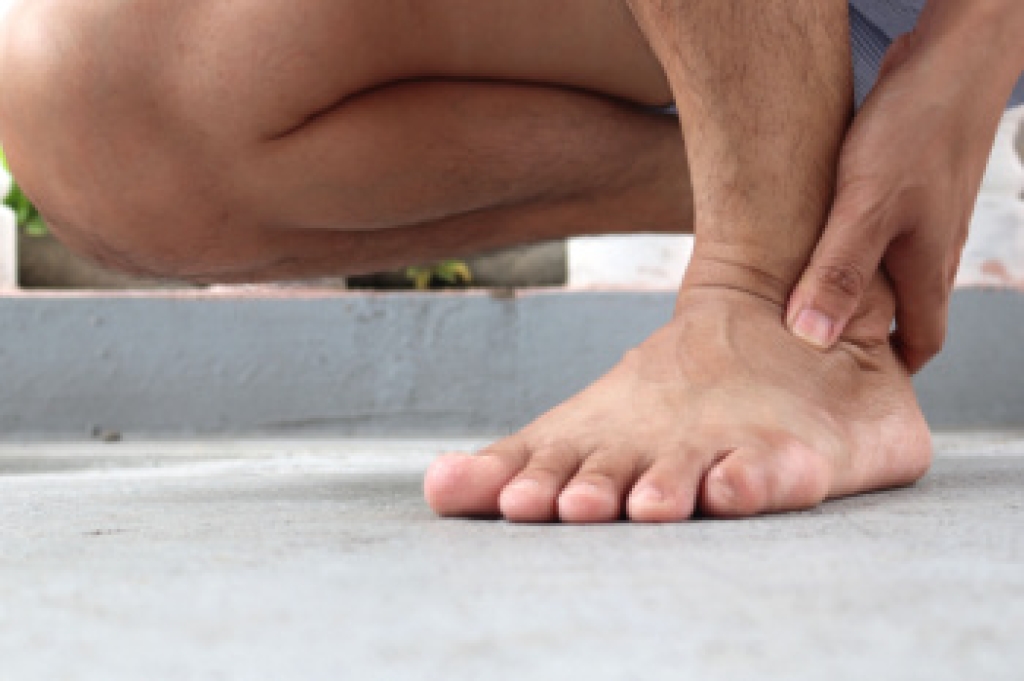
Neuropathy is a condition caused by damage to the nerves that transmit signals between the brain, spinal cord, and body. There are several types that affect the feet in different ways. Sensory neuropathy causes numbness, tingling, burning, or pain, often leading to unrecognized injuries. Autonomic neuropathy may affect sweating and skin health, causing dryness or temperature changes. Motor neuropathy results in muscle weakness, cramping, and changes in foot shape that increase pressure points. Additionally, mononeuropathy involves damage to a single nerve, causing localized pain or weakness. Causes may include diabetes, trauma, infections, poor circulation, or nutritional deficiencies. When neuropathy affects the feet, it increases the risk of wounds, balance problems, and infections. If you have symptoms of neuropathy in your feet, it is suggested that you consult a podiatrist for a proper diagnosis and treatment.
Neuropathy
Neuropathy can be a potentially serious condition, especially if it is left undiagnosed. If you have any concerns that you may be experiencing nerve loss in your feet, consult with Terri Quebedeaux, DPM from Agave Podiatry . Our doctor will assess your condition and provide you with quality foot and ankle treatment for neuropathy.
What Is Neuropathy?
Neuropathy is a condition that leads to damage to the nerves in the body. Peripheral neuropathy, or neuropathy that affects your peripheral nervous system, usually occurs in the feet. Neuropathy can be triggered by a number of different causes. Such causes include diabetes, infections, cancers, disorders, and toxic substances.
Symptoms of Neuropathy Include:
Those with diabetes are at serious risk due to being unable to feel an ulcer on their feet. Diabetics usually also suffer from poor blood circulation. This can lead to the wound not healing, infections occurring, and the limb may have to be amputated.
Treatment
To treat neuropathy in the foot, podiatrists will first diagnose the cause of the neuropathy. Figuring out the underlying cause of the neuropathy will allow the podiatrist to prescribe the best treatment, whether it be caused by diabetes, toxic substance exposure, infection, etc. If the nerve has not died, then it’s possible that sensation may be able to return to the foot.
Pain medication may be issued for pain. Electrical nerve stimulation can be used to stimulate nerves. If the neuropathy is caused from pressure on the nerves, then surgery may be necessary.
If you have any questions, please feel free to contact our offices located in Seguin, LaVernia, Gonzales, and Lockhart, TX . We offer the newest diagnostic and treatment technologies for all your foot care needs.
Connect With Us
