
Recovery From Hammertoe and Bunion Surgery

Hammertoe and bunion surgery are common procedures used to correct deformities in the toes and forefoot. A hammertoe occurs when a toe becomes bent at the middle joint. A bunion is a bony prominence that forms at the base of the big toe due to joint misalignment. Surgery is often recommended when pain, stiffness, or difficulty wearing shoes are caused by these deformities. Recovery is an essential part of the process and requires careful attention to protect the surgical site and promote proper healing.

After surgery, symptoms such as swelling, discomfort, and limited mobility are expected during the early stages of recovery. The foot may appear red or tender, and walking may be restricted depending on the procedure performed. Controlling swelling is a key focus, as excessive inflammation can delay healing. Elevating the foot and following post-operative instructions can help manage these symptoms. It is also important to monitor for signs of infection, including increased redness or drainage, and report concerns promptly.


Risk factors that may affect recovery include poor circulation, underlying health conditions, and not following care guidelines. One of the most important steps is keeping the foot clean and dry. Avoiding moisture helps prevent infection and protects surgical dressings. Patients are often advised to avoid getting their feet wet until cleared by their provider. Wearing proper shoes that provide support and limit pressure on the surgical area is also critical. Ill-fitting footwear can disrupt healing and cause unnecessary strain.


Successful recovery depends on a combination of rest, proper hygiene, and gradual return to activity. Following medical guidance ensures that the corrected alignment is maintained and complications are minimized. Rehabilitation may include gentle movement and supportive devices as healing progresses. If you have had hammertoe or bunion surgery, it is suggested you consult with your podiatrist for additional recovery guidance. 

Foot surgery is sometimes necessary to treat a foot ailment. To learn more, contact Terri Quebedeaux, DPM of Agave Podiatry . Our doctor will assist you with all of your foot and ankle needs.

When Is Surgery Necessary?

Foot and ankle surgery is generally reserved for cases in which less invasive, conservative procedures have failed to alleviate the problem. Some of the cases in which surgery may be necessary include:

  • Removing foot deformities like bunions and bone spurs
  • Severe arthritis that has caused bone issues
  • Cosmetic reconstruction

What Types of Surgery Are There?

The type of surgery you receive will depend on the nature of the problem you have. Some of the possible surgeries include:

  • Bunionectomy for painful bunions
  • Surgical fusion for realignment of bones
  • Neuropathy decompression surgery to treat nerve damage

Benefits of Surgery

Although surgery is usually a last resort, it can provide more complete pain relief compared to non-surgical methods and may allow you to finally resume full activity.

Surgical techniques have also become increasingly sophisticated. Techniques like endoscopic surgery allow for smaller incisions and faster recovery times.

If you have any questions, please feel free to contact our offices located in Seguin, LaVernia, Gonzales, and Lockhart, TX . We offer the newest diagnostic and treatment technologies for all your foot care needs.

Read more about Foot Surgery

Keep Your Feet Healthy So You Can Stay Active

Have your feet inspected by a professional before starting a new sport or physical activity. Taking charge of your foot health will keep you in good physical condition and can help you avoid a potential injury, such as a fracture or sprained ankle.

Prevent injuries and see a foot specialist.

Achilles Tendinitis and Heel Pain

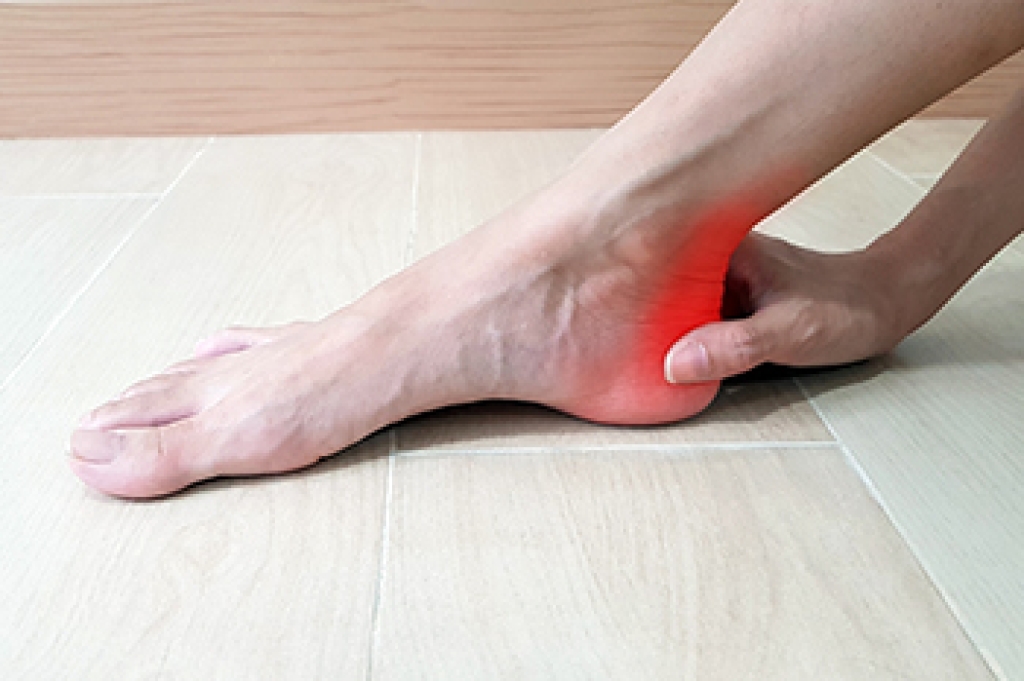
Achilles tendinitis involves inflammation of the Achilles tendon, the strong band of tissue that connects the calf muscles to the heel bone. It commonly develops from overuse, repetitive stress, or sudden increases in physical activity. Tight calf muscles, wearing improper footwear, and poor training habits can also contribute to this condition. Risk factors include aging, flat feet, high arches, and participation in high impact sports. Symptoms often include pain and stiffness along the back of the heel, swelling, and discomfort that worsens with activity. A podiatrist can evaluate the tendon, recommend stretching and strengthening programs, and provide treatment to reduce inflammation and prevent further injury. If you have any of the above symptoms, it is suggested that you consult a podiatrist who can accurately diagnose and treat the condition.

Achilles tendon injuries need immediate attention to avoid future complications. If you have any concerns, contact Terri Quebedeaux, DPM of Agave Podiatry . Our doctor can provide the care you need to keep you pain-free and on your feet.

What Is the Achilles Tendon?

The Achilles tendon is a tendon that connects the lower leg muscles and calf to the heel of the foot. It is the strongest tendon in the human body and is essential for making movement possible. Because this tendon is such an integral part of the body, any injuries to it can create immense difficulties and should immediately be presented to a doctor.

What Are the Symptoms of an Achilles Tendon Injury?

There are various types of injuries that can affect the Achilles tendon. The two most common injuries are Achilles tendinitis and ruptures of the tendon.

Achilles Tendinitis Symptoms

  • Inflammation
  • Dull to severe pain
  • Increased blood flow to the tendon
  • Thickening of the tendon

Rupture Symptoms

  • Extreme pain and swelling in the foot
  • Total immobility

Treatment and Prevention

Achilles tendon injuries are diagnosed by a thorough physical evaluation, which can include an MRI. Treatment involves rest, physical therapy, and in some cases, surgery. However, various preventative measures can be taken to avoid these injuries, such as:

  • Thorough stretching of the tendon before and after exercise
  • Strengthening exercises like calf raises, squats, leg curls, leg extensions, leg raises, lunges, and leg presses

If you have any questions please feel free to contact our offices located in Seguin, LaVernia, Gonzales, and Lockhart, TX . We offer the newest diagnostic tools and technology to treat your foot and ankle needs.

Read more about The Causes, Types, and Treatments of Achilles Tendon Injuries

Understanding Gout Risk Factors

Gout is a well-known and ancient form of arthritis that occurs when excess uric acid in the blood forms crystals inside a joint. The big toe is often affected, leading to sudden pain, swelling, redness, and warmth that can make walking difficult. These episodes may develop quickly and feel severe even at rest. Several factors can increase the likelihood of gout, including inherited traits, regular alcohol use, and diets high in red meat or sweetened beverages. Being overweight and having certain health conditions can also raise risk. A podiatrist can confirm the cause of joint pain and provide treatment to reduce inflammation and prevent long-term damage. If you have symptoms of gout, it is suggested that you seek evaluation from a podiatrist.

Gout is a foot condition that requires certain treatment and care. If you are seeking treatment, contact Terri Quebedeaux, DPM from Agave Podiatry . Our doctor will treat your foot and ankle needs.

What Is Gout?

Gout is a type of arthritis caused by a buildup of uric acid in the bloodstream. It often develops in the foot, especially the big toe area, although it can manifest in other parts of the body as well. Gout can make walking and standing very painful and is especially common in diabetics and the obese.

People typically get gout because of a poor diet. Genetic predisposition is also a factor. The children of parents who have had gout frequently have a chance of developing it themselves.

Gout can easily be identified by redness and inflammation of the big toe and the surrounding areas of the foot. Other symptoms include extreme fatigue, joint pain, and running high fevers. Sometimes corticosteroid drugs can be prescribed to treat gout, but the best way to combat this disease is to get more exercise and eat a better diet.

If you have any questions, please feel free to contact our offices located in Seguin, LaVernia, Gonzales, and Lockhart, TX . We offer the newest diagnostic and treatment technologies for all your foot care needs.

Read more about Everything You Need to Know About Gout

Types and Causes of Flat Feet

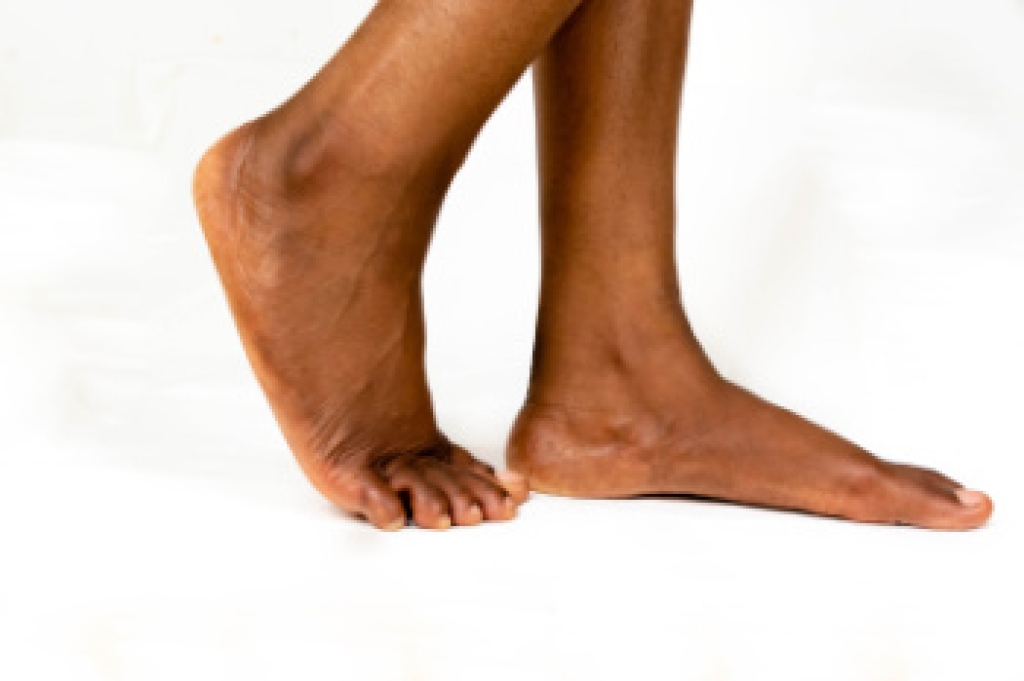
Flat feet occur when the arches on the inside of the feet are low or missing, causing the entire sole to touch the ground while standing. Flexible flat feet occur when arches appear while sitting, but flatten while standing. This is most common among children. Flat feet may develop in adults because of injuries, arthritis, or weakened tendons that support the arch. Tightness in the Achilles tendon, which connects the calf muscle to the heel, can affect the arch by placing extra strain on the foot. Flat feet can cause heel pain, ankle pain, tired legs, and discomfort while walking or standing for a long time. A podiatrist can examine the feet and check how a person walks in order to recommend treatment options. These options include custom orthotics, supportive footwear, or stretching exercises. If you have foot pain from having flat feet, it is suggested that you schedule an appointment with a podiatrist for effective relief and management tips.

Flatfoot is a condition many people suffer from. If you have flat feet, contact Terri Quebedeaux, DPM from Agave Podiatry . Our doctor will treat your foot and ankle needs.

What Are Flat Feet?

Flatfoot is a condition in which the arch of the foot is depressed and the sole of the foot is almost completely in contact with the ground. About 20-30% of the population generally has flat feet because their arches never formed during growth.

Conditions & Problems:

Having flat feet makes it difficult to run or walk because of the stress placed on the ankles.

Alignment – The general alignment of your legs can be disrupted, because the ankles move inward which can cause major discomfort.

Knees – If you have complications with your knees, flat feet can be a contributor to arthritis in that area.  

Symptoms

  • Pain around the heel or arch area
  • Trouble standing on the tip toe
  • Swelling around the inside of the ankle
  • Flat look to one or both feet
  • Having your shoes feel uneven when worn

Treatment

If you are experiencing pain and stress on the foot you may weaken the posterior tibial tendon, which runs around the inside of the ankle. 

If you have any questions, please feel free to contact our offices located in Seguin, LaVernia, Gonzales, and Lockhart, TX . We offer the newest diagnostic and treatment technologies for all your foot care needs.
Read more about Flat Feet

Connect With Us