Orthotics for Children With Juvenile Idiopathic Arthritis

Juvenile idiopathic arthritis is an inflammatory condition that affects children and can cause pain, stiffness, and reduced joint movement. When inflammation involves the feet and ankles, children may experience swollen and tender joints, difficulty walking, and reduced participation in play or sports. Foot and ankle disability can develop when inflammation affects joint function and changes normal movement. Risk factors may include immune system dysfunction, family history of autoimmune disease, and genetic influences. Early evaluation can protect mobility and quality of life.

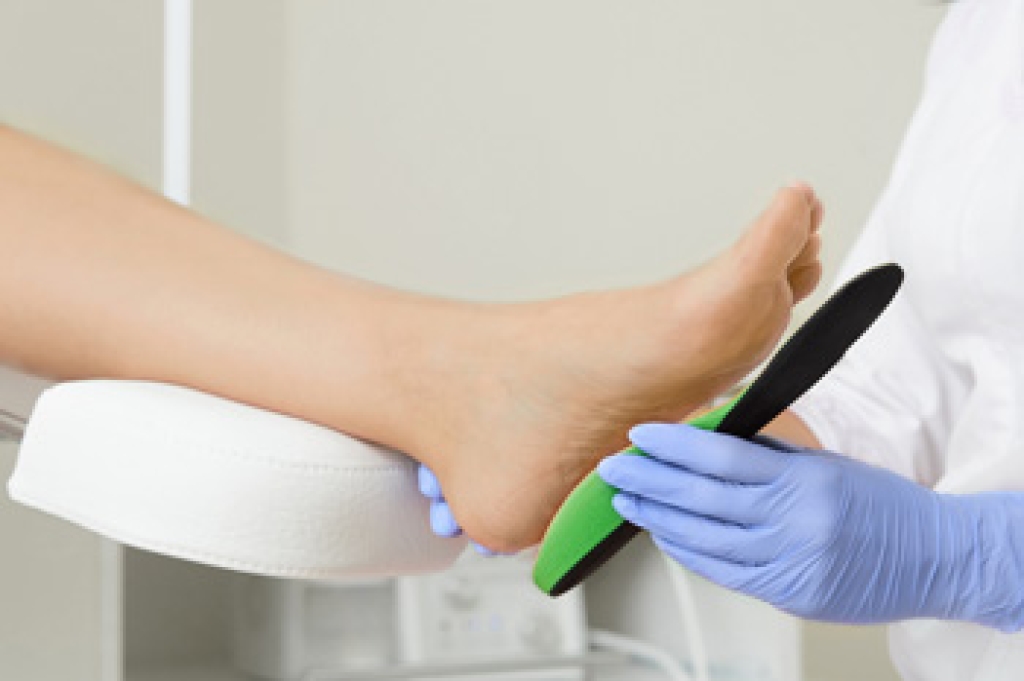
A podiatrist starts by examining the child’s feet, ankles, footwear, and activity level. The examination may include a gait assessment and review of medical information from the child’s healthcare team. If additional support is needed, custom foot orthotics may be recommended. These devices are designed around the child’s foot structure and symptoms. Orthotics can help stabilize the feet, distribute weight more evenly, and support comfortable movement during activities.

For children with juvenile idiopathic arthritis, properly fitted orthotics may reduce mechanical stress around painful areas and improve how forces move through the feet and ankles. Better pressure distribution can make walking more comfortable and may reduce strain associated with swollen and tender lower joints. Orthotics do not treat the underlying inflammation, but they can complement medical care by supporting mobility and function. A podiatrist may also recommend supportive shoes, activity changes, and regular follow-up.

Improving comfort can help children participate more confidently in school, exercise, and other activities. Because children grow quickly, orthotics should be checked regularly for fit and effectiveness. If your child has foot pain from this or any other foot or ankle condition, it is suggested that you consult a podiatrist who can determine if orthotics can provide the relief that is sought.

If you are having discomfort in your feet and would like to try orthotics, contact Terri Quebedeaux, DPM from Agave Podiatry . Our doctor can provide the care you need to keep you pain-free and on your feet.

What Are Orthotics?

Orthotics are inserts you can place into your shoes to help with a variety of foot problems such as flat feet or foot pain. Orthotics provide relief and comfort for minor foot and heel pain but can’t correct serious biomechanical problems in your feet.

Over-the-Counter Inserts

Orthotics come in a wide variety of over-the-counter inserts that are used to treat foot pain, heel pain, and minor problems. For example, arch supports can be inserted into your shoes to help correct overarched or flat feet, while gel insoles are often used because they provide comfort and relief from foot and heel pain by alleviating pressure.

Prescription Orthotics

If over-the-counter inserts don’t work for you or if you have a more severe foot concern, it is possible to have your podiatrist prescribe custom orthotics. These high-quality inserts are designed to treat problems such as abnormal motion, plantar fasciitis, and severe forms of heel pain. They can even be used to help patients suffering from diabetes by treating foot ulcers and painful calluses and are usually molded to your feet individually, which allows them to provide full support and comfort.

If you are experiencing minor to severe foot or heel pain, it’s recommended to speak with your podiatrist about the possibilities of using orthotics. A podiatrist can determine which type of orthotic is right for you and allow you to take the first steps towards being pain-free.

If you have any questions, please feel free to contact our offices located in Seguin, LaVernia, Gonzales, and Lockhart, TX . We offer the newest diagnostic and treatment technologies for all your foot care needs.


Read more about Foot Orthotics

Are You Suffering From Nerve Damage?

Neuropathy is a condition that can lead to numbness or loss of sensation in the feet, but it can also cause pain. This condition is more likely to develop for those who are diabetic, obese, or with high blood pressure.

Burning Foot Pain Could Signal Nerve Damage

Nerve damage in the foot can develop when nerves between the toe bones become irritated and enlarged. These nerves travel between the toes and supply feeling to the forefoot. Irritation usually affects the nerve between the third and fourth toes, although another space can be involved. The thickened tissue surrounding an irritated nerve is known as a neuroma. Pressure from wearing tight or pointed shoes can contribute to the problem. Other causes include thinning of the protective fat beneath the forefoot and poor foot alignment. Certain foot shapes can also place stress on these nerves.

Symptoms often begin with a mild ache near the third or fourth toe. The discomfort can then become burning, tingling, or sharp pain in the ball of the foot. Some patients feel as though a pebble is trapped under the foot. Pain can spread into the toes and become more noticeable when wearing shoes that squeeze the forefoot. Continued irritation can make closed-toe shoes difficult to tolerate. A podiatrist will ask when the symptoms started and what makes them worse. The examination includes checking the painful area, foot structure, and toe movement. Imaging tests can help to rule out other problems, but they do not always clearly show an irritated nerve.

A podiatrist can reduce pressure on the affected nerve and address causes of irritation. Treatment includes recommending shoes with a wider toe box and proper support. Custom orthotics can improve foot alignment, while carefully placed pads can shift weight away from the painful area. A podiatrist may also provide an injection to decrease pain and inflammation around the nerve. When these measures do not bring enough relief, other office-based procedures can be discussed. Surgery to remove the enlarged nerve is reserved for persistent symptoms and can leave lasting numbness in nearby toes. If you have symptoms of nerve damage in the foot, it is suggested that you schedule an appointment with a podiatrist for a diagnosis and appropriate treatment.

Foot Pain

Foot pain can be extremely painful and debilitating. If you have a foot pain, consult with Terri Quebedeaux, DPM from Agave Podiatry . Our doctor will assess your condition and provide you with quality foot and ankle treatment.

Causes

Foot pain is a very broad condition that could be caused by one or more ailments. The most common include:

  • Bunions
  • Hammertoes
  • Plantar Fasciitis
  • Bone Spurs
  • Corns
  • Tarsal Tunnel Syndrome
  • Ingrown Toenails
  • Arthritis (such as Gout, Rheumatoid, and Osteoarthritis)
  • Flat Feet
  • Injury (from stress fractures, broken toe, foot, ankle, Achilles tendon ruptures, and sprains)
  • And more

Diagnosis

To figure out the cause of foot pain, podiatrists utilize several different methods. This can range from simple visual inspections and sensation tests to X-rays and MRI scans. Prior medical history, family medical history, and any recent physical traumatic events will all be taken into consideration for a proper diagnosis.

Treatment

Treatment depends upon the cause of the foot pain. Whether it is resting, staying off the foot, or having surgery; podiatrists have a number of treatment options available for foot pain.

If you have any questions, please feel free to contact our offices located in Seguin, LaVernia, Gonzales, and Lockhart, TX . We offer the newest diagnostic and treatment technologies for all your foot care needs.

Read more about Foot Pain

Ingrown Toenail Symptoms You Should Know

An ingrown toenail develops when the edge or corner of a toenail presses into the surrounding skin. The big toe is affected most frequently, although other toes can develop the problem. Pain, redness, and swelling can occur as the nail irritates or breaks the skin. More advanced cases can produce drainage or extra tissue surrounding  the nail. Infection can also develop. The severity of these symptoms helps determine which type of treatment is appropriate.

Several factors are linked to ingrown toenails. Cutting a nail too deeply at the corners can allow its edge to grow into nearby skin.  Wearing tight or narrow shoes can squeeze the toes and place pressure on the nail. Repeated trauma from running, kicking, or stubbing a toe can also contribute. Fungal nail infections can increase risk because they can make a toenail thicker. Nail shape and family history can play a role as well.  Additionally, diabetic patients require careful evaluation because foot problems can become more serious.

A podiatrist can examine the toe and determine the severity of an ingrown toenail. Mild cases can sometimes be treated by separating the nail edge from the irritated skin. More severe or recurring cases can require removal of part of the nail. A podiatrist can use a procedure that prevents the troublesome section from growing back, which can reduce the chance of another ingrown toenail. Treatment can also address infection or a fungal nail problem when present. A podiatrist can provide guidance about properly-fitting shoes and safe nail trimming to help reduce repeated irritation. Prompt evaluation is especially important when pain increases, drainage develops, or the surrounding redness spreads. If you have developed an ingrown toenail, it is suggested that you schedule an appointment with a podiatrist for effective relief and treatment solutions.

Ingrown toenails may initially present themselves as a minor discomfort, but they may progress into an infection in the skin without proper treatment. For more information about ingrown toenails, contact Terri Quebedeaux, DPM of Agave Podiatry . Our doctor can provide the care you need to keep you pain-free and on your feet.

Ingrown Toenails

Ingrown toenails are caused when the corner or side of a toenail grows into the soft flesh surrounding it. They often result in redness, swelling, pain, and in some cases, infection. This condition typically affects the big toe and may recur if it is not treated properly.

Causes

  • Improper toenail trimming
  • Genetics
  • Improper shoe fitting
  • Injury from pedicures or nail picking
  • Abnormal gait
  • Poor hygiene

You are more likely to develop an ingrown toenail if you are obese, have diabetes, arthritis, or have any fungal infection in your nails. Additionally, people who have foot or toe deformities are at a higher risk of developing an ingrown toenail.

Symptoms

Some symptoms of ingrown toenails are redness, swelling, and pain. In rare cases, there may be a yellowish drainage coming from the nail.

Treatment

Ignoring an ingrown toenail can have serious complications. Infections of the nail border can progress to a deeper soft-tissue infection, which can then turn into a bone infection. You should always speak with your podiatrist if you suspect you have an ingrown toenail, especially if you have diabetes or poor circulation.

If you have any questions, please feel free to contact our offices located in Seguin, LaVernia, Gonzales, and Lockhart, TX . We offer the newest diagnostic and treatment technologies for all your foot care needs.
Read more about Ingrown Toenails

Sprained Toe Injuries Can Make Every Step Painful

A sprained toe occurs when a ligament is stretched or torn. Ligaments are strong bands of tissue that connect bones at a joint. This injury can affect any toe joint, including where the toe meets the foot. Pain, swelling, and bruising can begin soon after the injury. Patients can also have tenderness or trouble moving the toe. A severe sprain can make the joint feel unstable. In some cases a toe sprain may be mistaken for a fracture, because they have similar symptoms. Identifying the injury is important because they require different treatments.

A toe sprain is usually caused when the toe bends beyond its normal range. Stubbing the toe against furniture is one possible cause. The injury can also occur when the toe catches on the ground while the foot continues moving. Athletes face added risk because running, jumping, and quick changes in direction place extra force on the toes. A big-toe sprain caused by forceful upward bending is called turf toe. The severity depends on whether the ligament has mild damage, a partial tear, or a complete tear. A serious sprain can cause greater joint instability and require a longer recovery.

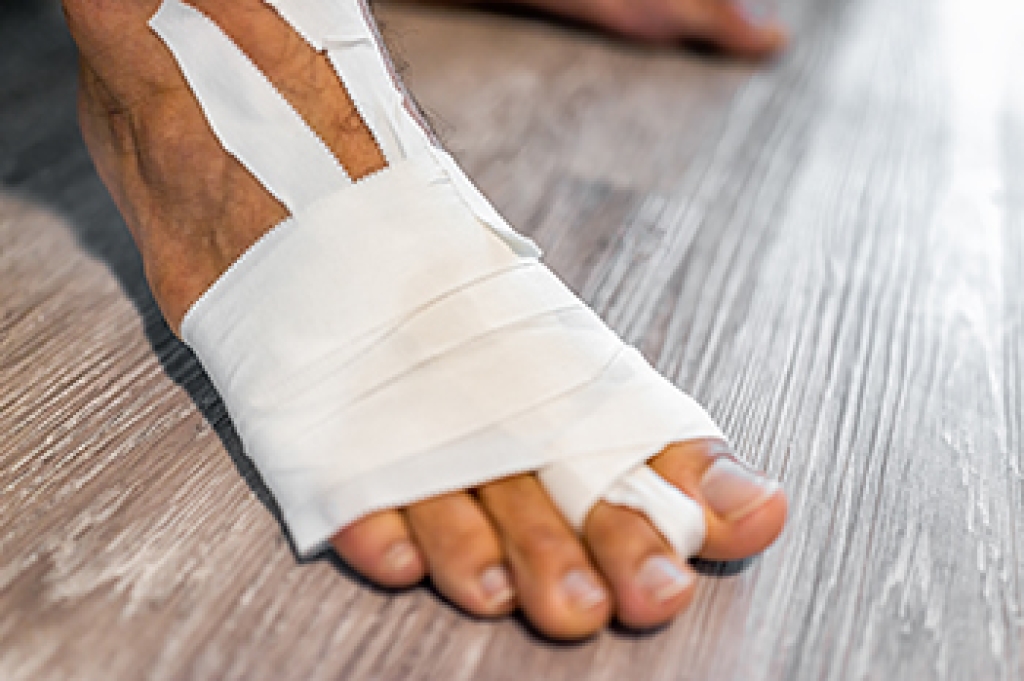
A podiatrist can examine the toe, check its movement, and test the joint’s stability. The examination also helps locate the damaged ligament. X-rays can rule out a fracture or other bone injury. Treatment depends on the location and severity of the sprain. A podiatrist can stabilize the toe with medical taping, a rigid-soled shoe, or a walking boot. They can also recommend changes to sports and work activities while the ligament heals. Many sprained toes heal in about three to six weeks, but severe injuries may take longer. Follow-up visits allow the podiatrist to check healing and help prevent lasting stiffness or joint problems. If you have sprained your toe, it is suggested that you schedule an appointment with a podiatrist for a diagnosis and appropriate treatment.

Toe pain can disrupt your daily activities. If you have any concerns, contact Terri Quebedeaux, DPM of Agave Podiatry . Our doctor can provide the care you need to keep you pain-free and on your feet.

What Causes Toe Pain?

Most severe toe pain is caused due to a sports injury, trauma from dropping something heavy on the toe, or bumping into something rigid. Other problems can develop over time for various reasons.

Toe pain can be caused by one or more ailments. The most common include:

  • Trauma
  • Sports injury
  • Wearing shoes that are too tight
  • Arthritis
  • Gout
  • Corns and calluses
  • Hammertoe
  • Bunions
  • Blisters
  • Ingrown toenails
  • Sprains
  • Fractures (broken bones)
  • Dislocations

When to See a Podiatrist

  • Severe pain
  • Persistent pain that lasts more than a week
  • Signs of infection
  • Continued swelling
  • Pain that prevents walking

Diagnosis

In many cases the cause of toe pain is obvious, but in others, a podiatrist may want to use more advanced methods to determine the problem. These can range from simple visual inspections and sensation tests to X-rays and MRI scans. Prior medical history, family medical history, and any recent physical traumatic events will all be taken into consideration for a proper diagnosis.

Treatment

Treatments for toe pain and injuries vary and may include shoe inserts, padding, taping, medicines, injections, and in some cases, surgery. If you believe that you have broken a toe, please see a podiatrist as soon as possible.

If you have any questions please contact our offices located in Seguin, LaVernia, Gonzales, and Lockhart, TX . We offer the newest diagnostic and treatment technologies for all your foot and ankle needs.

Read more about Toe Pain

Connect With Us