
Custom orthotics, or shoe inserts, should be periodically replaced. Orthotics must fit properly to give you the best results. Protect your feet and ankles!
Custom orthotics, or shoe inserts, should be periodically replaced. Orthotics must fit properly to give you the best results. Protect your feet and ankles!
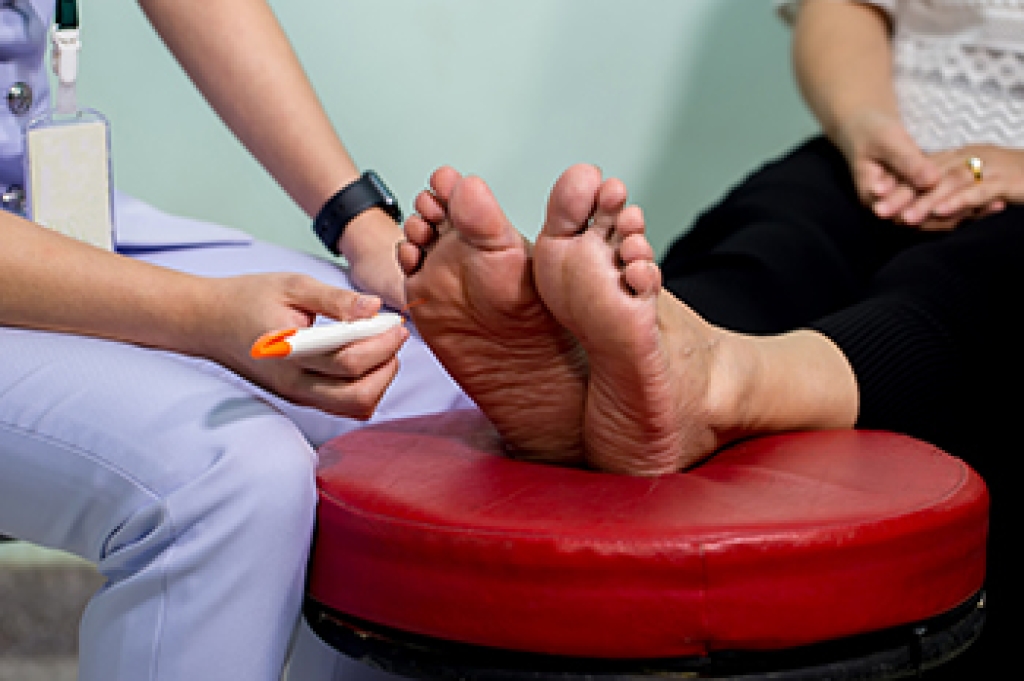
Foot care is a key part of managing diabetes, because high blood sugar can damage nerves and reduce circulation in the feet. This can make it harder to feel injuries and slower for wounds to heal. Regular evaluation by a podiatrist helps detect changes, such as reduced sensation, skin breakdown, or pressure points. A podiatrist can assess blood flow, check for nerve damage, and examine the skin and nails for signs of concern. Treatment for diabetic foot problems includes removing thickened skin in a safe, sterile setting, and managing wounds. Custom orthotics or protective footwear or casting can help to reduce pressure on high-risk areas. Education on proper foot monitoring and risk awareness is also part of ongoing diabetic foot care. Early detection and professional treatment from a podiatrist play an important role in preventing complications and preserving foot health. If you have diabetes-related foot pain, it is suggested that you make an appointment with a podiatrist for help in managing this condition.
Diabetic foot care is important in preventing foot ailments such as ulcers. If you are suffering from diabetes or have any other concerns about your feet, contact Terri Quebedeaux, DPM from Agave Podiatry . Our doctor can provide the care you need to keep you pain-free and on your feet.
Diabetic Foot Care
Diabetes affects millions of people every year. The condition can damage blood vessels in many parts of the body, especially the feet. Because of this, taking care of your feet is essential if you have diabetes, and having a podiatrist help monitor your foot health is highly recommended.
The Importance of Caring for Your Feet
Patients with diabetes should have their doctor monitor their blood levels, as blood sugar levels play such a huge role in diabetic care. Monitoring these levels on a regular basis is highly advised.
It is always best to inform your healthcare professional of any concerns you may have regarding your feet, especially for diabetic patients. Early treatment and routine foot examinations are keys to maintaining proper health, especially because severe complications can arise if proper treatment is not applied.
If you have any questions, please feel free to contact our offices located in Seguin, LaVernia, Gonzales, and Lockhart, TX . We offer the newest diagnostic and treatment technologies for all your foot care needs.
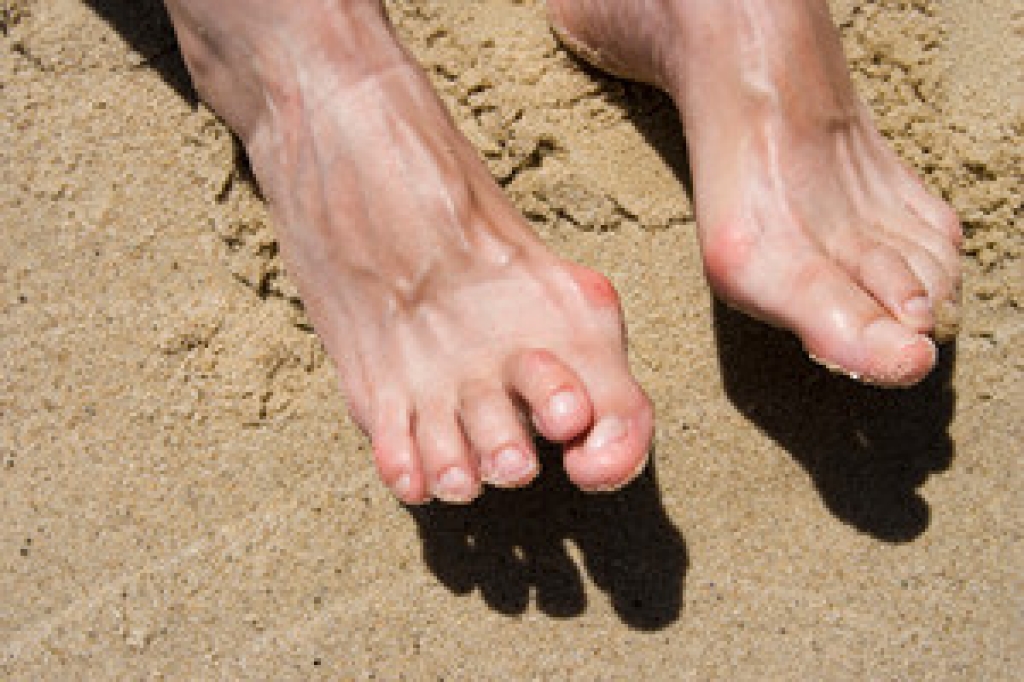
A hammertoe is a deformity in which one of the smaller toes bends abnormally at the middle joint, creating a curled or hammer-like appearance. It often develops gradually and can become more rigid over time, if left untreated. Common causes include muscle imbalance, improper footwear that crowds the toes, and underlying foot structure issues. Symptoms include pain, corns, calluses, redness, and difficulty wearing shoes comfortably. The affected toe may appear raised at the joint and pressed downward at the tip. A podiatrist can help by evaluating the deformity, recommending proper footwear, providing supportive treatments, and addressing underlying causes. If you have signs of hammertoe, it is suggested that you consult a podiatrist who can offer effective relief solutions, while helping you to manage this condition.
Hammertoes can be a painful condition to live with. For more information, contact Terri Quebedeaux, DPM of Agave Podiatry . Our doctor will answer any of your foot- and ankle-related questions.
Hammertoe
Hammertoe is a foot deformity that occurs due to an imbalance in the muscles, tendons, or ligaments that normally hold the toe straight. It can be caused by the type of shoes you wear, your foot structure, trauma, and certain disease processes.
Symptoms
Risk Factors
Treatment
If you have hammertoe, you should change into a more comfortable shoe that provides enough room for your toes. Exercises such as picking up marbles may strengthen and stretch your toe muscles. Nevertheless, it is important to seek assistance from a podiatrist in order to determine the severity of your hammertoe and see which treatment option will work best for you.
If you have any questions, please feel free to contact our offices located in Seguin, LaVernia, Gonzales, and Lockhart, TX . We offer the newest diagnostic and treatment technologies for all your foot care needs.
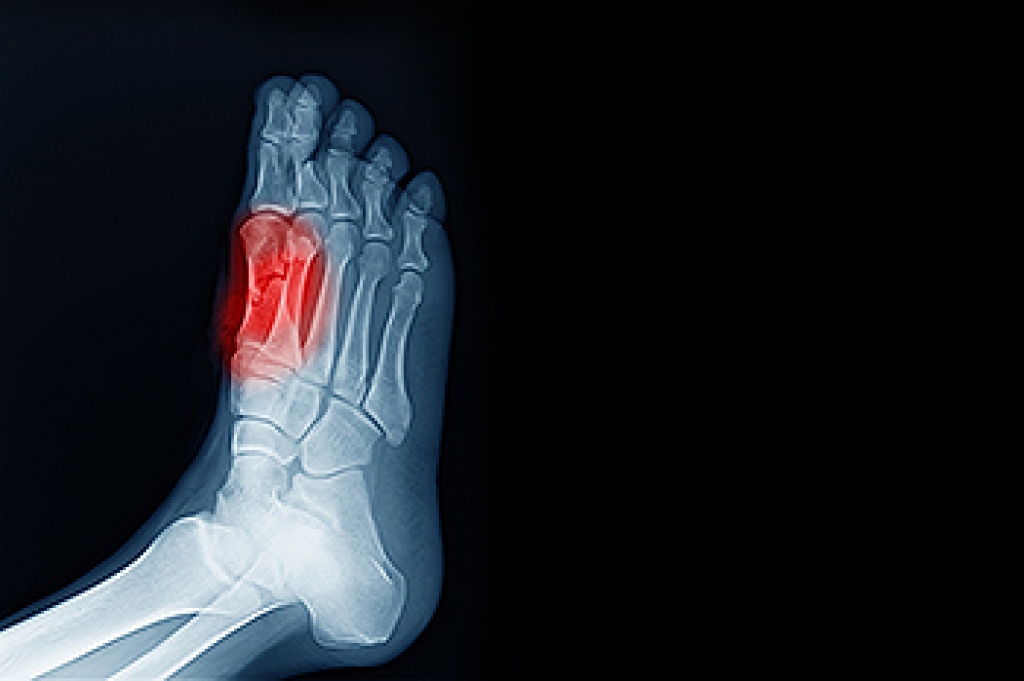
Pain under the big toe can be linked to irritation of the sesamoid bones, two small, round bones located beneath the big toe joint. These bones sit inside a tendon, a strong band of tissue that helps bend the toe. They act like shock absorbers and help support body weight when walking and running. Repetitive pressure from high-impact sports, wearing tight shoes, foot injuries, or certain foot structures can lead to inflammation in this area, known as sesamoiditis. People may notice aching, swelling, tenderness, or difficulty pushing off while walking. Pain may develop gradually and worsen with activity or when wearing shoes that press on the ball of the foot. A podiatrist can examine foot movement and order imaging tests to confirm the cause of pain. Treatment options include footwear guidance, protective padding, and custom orthotics to reduce pressure. If you have pain under the big toe, it is suggested that you make an appointment with a podiatrist for an exam, diagnosis, and treatment.
Sesamoiditis is an unpleasant foot condition characterized by pain in the balls of the feet. If you think you’re struggling with sesamoiditis, contact Terri Quebedeaux, DPM of Agave Podiatry . Our doctor will treat your condition thoroughly and effectively.
Sesamoiditis
Sesamoiditis is a condition of the foot that affects the ball of the foot. It is more common in younger people than it is in older people. It can also occur with people who have begun a new exercise program, since their bodies are adjusting to the new physical regimen. Pain may also be caused by the inflammation of tendons surrounding the bones. It is important to seek treatment in its early stages because if you ignore the pain, this condition can lead to more serious problems such as severe irritation and bone fractures.
Causes of Sesamoiditis
Treatment for sesamoiditis is non-invasive and simple. Doctors may recommend a strict rest period where the patient forgoes most physical activity. This will help give the patient time to heal their feet through limited activity. For serious cases, it is best to speak with your doctor to determine a treatment option that will help your specific needs.
If you have any questions, please feel free to contact our offices located in Seguin, LaVernia, Gonzales, and Lockhart, TX . We offer the newest diagnostic and treatment technologies for all your foot care needs.

Children’s feet go through many changes as they grow. At birth, the foot is soft and flexible, with bones that are still forming. As a child begins to stand, walk, and run, the structures of the foot gradually strengthen and develop. Muscles, ligaments, and bones work together to support balance and movement. It is common for young children to appear flat-footed because a layer of soft tissue hides the developing arch. As growth continues, the arch usually becomes more visible. However, some children may experience discomfort, unusual walking patterns, or fatigue in their feet or legs. These concerns can sometimes be linked to alignment differences or other structural factors. Early attention can help support healthy development and comfortable movement. If you notice ongoing foot pain, frequent tripping, or uneven shoe wear in your child, it is suggested that you seek an evaluation by a podiatrist to determine the cause and guide appropriate treatment.
Making sure that your children maintain good foot health is very important as they grow. If you have any questions, contact Terri Quebedeaux, DPM of Agave Podiatry . Our doctor can provide the care you need to keep you pain-free and on your feet.
Keeping Children's Feet Healthy
Having healthy feet during childhood can help prevent medical problems later in life, namely in the back and legs. As children grow, their feet require different types of care. Here are some things to consider...
Although babies do not walk yet, it is still very important to take care of their feet.
Avoid putting tight shoes or socks on his or her feet.
Allow the baby to stretch and kick his or her feet to feel comfortable.
As a toddler, kids are now on the move and begin to develop differently. At this age, toddlers are getting a feel for walking, so don’t be alarmed if your toddler is unsteady or ‘walks funny’.
As your child gets older, it is important to teach them how to take care of their feet.
Show them proper hygiene to prevent infections such as fungus.
Be watchful for any pain or injury.
Have all injuries checked by a doctor as soon as possible.
Comfortable, protective shoes should always be worn, especially at play.
If you have any questions, please feel free to contact our offices located in Seguin, LaVernia, Gonzales, and Lockhart, TX . We offer the newest diagnostic and treatment technologies for all your foot care needs.
Connect With Us
