Constant care and regular evaluation are important for a foot or ankle fracture. If left untreated, foot or ankle fractures can worsen over time and create more serious problems.
Don't wait to be examined if you believe you've experienced a foot or ankle fracture.
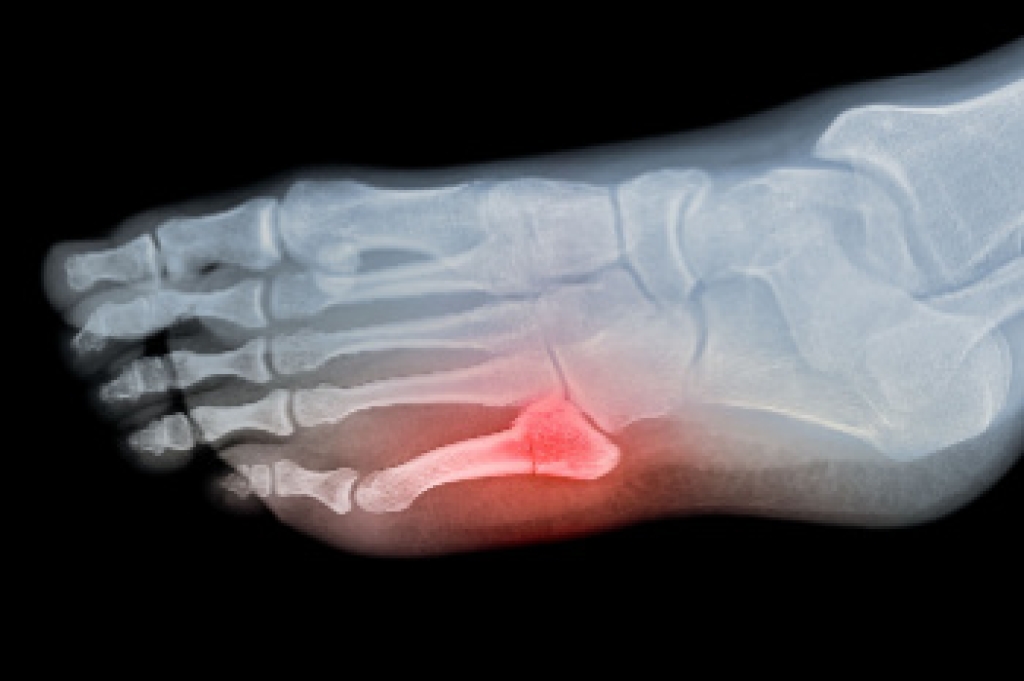
A broken toe is a foot injury that occurs when one of the small bones in the toe becomes fractured. This condition can result from direct trauma, such as stubbing the toe, or from prolonged repetitive movements that place stress on the bones. Stress fractures are tiny cracks in the bone that develop gradually due to repeated impact, often seen in athletes or individuals who spend long hours on their feet. Weakened bones, which may occur due to aging or certain health conditions, can also increase the risk of a fracture. Understanding how broken toes develop can help individuals recognize the condition early and take appropriate action.
Symptoms of a broken toe often appear quickly after injury. Bruising and swelling commonly develop around the affected area, making the toe tender to touch. In some cases, the toe may appear bent or deformed, which can indicate a more serious fracture. Limited movement and stiffness may also occur, especially if the injury is not addressed promptly. These symptoms can interfere with daily activities and should not be ignored.
Several risk factors can increase the likelihood of a broken toe. Individuals who engage in repetitive high-impact activities such as running or jumping are more prone to stress fractures. Wearing improper footwear that lacks support or protection can also contribute to injury. Weakened bones caused by nutritional deficiencies or reduced bone density may make fractures more likely, even with minor trauma. Environments with uneven surfaces or cluttered spaces can further increase the risk of accidental impact.
Preventing broken toes involves taking practical steps to protect foot health. Wearing well-fitted shoes with adequate support can reduce the risk of injury during daily activities and exercise. If you notice persistent pain or visible changes in the toe, it is important to seek podiatric care. If you have broken a toe, it is suggested that you consult a podiatrist for effective relief and treatment solutions.
A broken toe can be very painful and lead to complications if not properly fixed. If you have any concerns about your feet, contact Terri Quebedeaux, DPM from Agave Podiatry . Our doctor will treat your foot and ankle needs.
What to Know About a Broken Toe
Although most people try to avoid foot trauma such as banging, stubbing, or dropping heavy objects on their feet, the unfortunate fact is that it is a common occurrence. Given the fact that toes are positioned in front of the feet, they typically sustain the brunt of such trauma. When trauma occurs to a toe, the result can be a painful break (fracture).
Symptoms of a Broken Toe
Throbbing pain
Swelling
Bruising on the skin and toenail
The inability to move the toe
Toe appears crooked or disfigured
Tingling or numbness in the toe
Generally, it is best to stay off of the injured toe with the affected foot elevated.
Severe toe fractures may be treated with a splint, cast, and in some cases, minor surgery. Due to its position and the pressure it endures with daily activity, future complications can occur if the big toe is not properly treated.
If you have any questions, please feel free to contact our offices located in Seguin, LaVernia, Gonzales, and Lockhart, TX. We offer the newest diagnostic and treatment technologies for all your foot care needs.
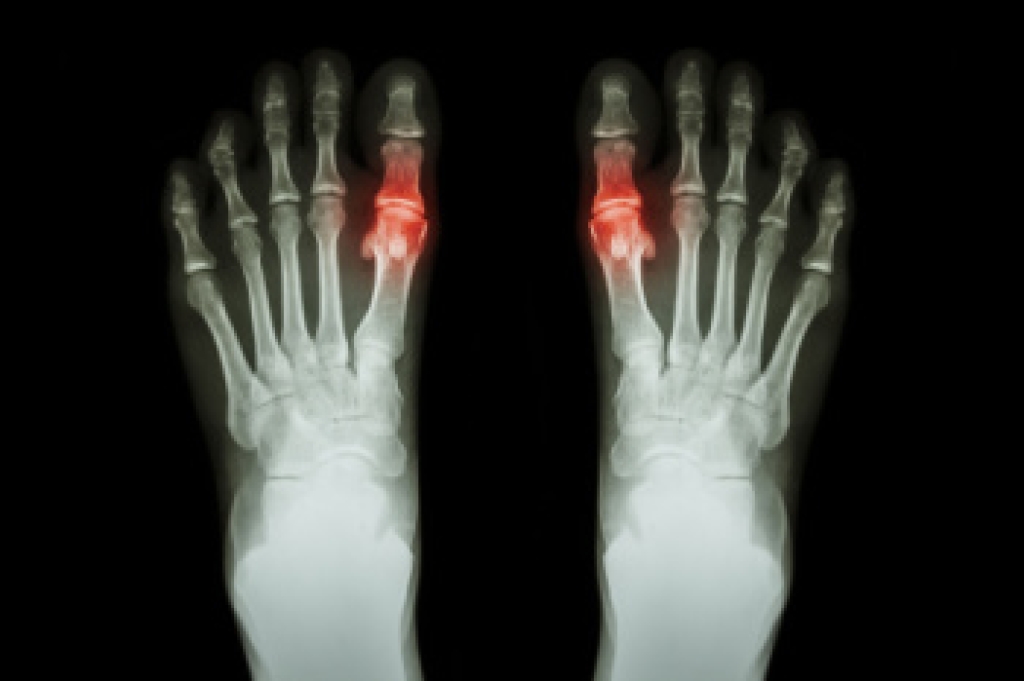
Gout is the most common type of inflammatory arthritis and often affects the foot, especially the big toe joint. It occurs when high levels of uric acid build up in the blood and form sharp crystals in the joints. These crystals trigger inflammation, leading to sudden and severe pain. The condition may develop quickly, and can return in repeated episodes if not managed properly. Understanding the definition and causes of gout is important for early recognition and treatment.
Symptoms of gout typically include intense pain in the big toe, swelling, and warmth around the joint. The pain often begins suddenly, sometimes during the night, and can be severe enough to limit movement. Some individuals may also experience stiffness or lingering discomfort after the initial attack. These symptoms can affect daily activities and may worsen, if left untreated. Early identification of these signs can help reduce the severity of flare-ups.
Risk factors for gout include high levels of uric acid in the body, which may result from diet, genetics, or certain medical conditions. Foods rich in purines, such as red meat and seafood, can increase uric acid production. Other risk factors include obesity, dehydration, and certain medications. Limited kidney function can also reduce the body ability to remove uric acid effectively. These factors contribute to crystal formation and joint inflammation over time.
Managing gout involves reducing uric acid levels and preventing future flare ups. Lifestyle changes such as maintaining a balanced diet, staying hydrated, and managing weight can help lower risk. Treatment may include medications to reduce inflammation and control uric acid levels. Monitoring symptoms and seeking professional care can improve long-term outcomes. If you have gout, it is strongly suggested that you are under the care of a podiatrist who can help you to manage this serious condition.
Gout is a painful condition that can be treated. If you are seeking treatment, contact Terri Quebedeaux, DPM from Agave Podiatry . Our doctor will treat your foot and ankle needs.
What Is Gout?
Gout is a form of arthritis that is characterized by sudden, severe attacks of pain, redness, and tenderness in the joints. The condition usually affects the joint at the base of the big toe. A gout attack can occur at any random time, such as the middle of the night while you are asleep.
Symptoms
Intense Joint Pain - Usually around the large joint of your big toe, and it most severe within the first four to twelve hours
Lingering Discomfort - Joint discomfort may last from a few days to a few weeks
Inflammation and Redness -Affected joints may become swollen, tender, warm and red
Limited Range of Motion - May experience a decrease in joint mobility
Risk Factors
Genetics - If family members have gout, you’re more likely to have it
Medications - Diuretic medications can raise uric acid levels
Gender/Age - Gout is more common in men until the age of 60. It is believed that estrogen protects women until that point
Diet - Eating red meat and shellfish increases your risk
Alcohol - Having more than two alcoholic drinks per day increases your risk
Obesity - Obese people are at a higher risk for gout
Prior to visiting your podiatrist to receive treatment for gout, there are a few things you should do beforehand. If you have gout you should write down your symptoms--including when they started and how often you experience them, important medical information you may have, and any questions you may have. Writing down these three things will help your podiatrist in assessing your specific situation so that he or she may provide the best route of treatment for you.
If you have any questions, please feel free to contact our offices located in Seguin, LaVernia, Gonzales, and Lockhart, TX. We offer the newest diagnostic and treatment technologies for all your foot care needs.
Foot corns are small, thickened areas of skin that develop as a protective response to repeated pressure and friction. These hardened patches typically form on the top and sides of toes or on weight-bearing areas of the feet. Corns differ from calluses in that they are more localized and often have a dense central core. This condition can become painful over time, especially when pressure continues without relief. Understanding how corns form helps individuals take steps to prevent irritation and maintain overall foot comfort.
Several causes contribute to the development of foot corns. Repeated rubbing from wearing tight or poorly fitting shoes is one of the most common factors. Footwear that compresses the toes increases friction and encourages thick skin buildup. Not wearing socks can worsen the issue by allowing direct contact between the skin and shoe material. Structural issues such as toe deformities may also increase pressure in certain areas. Eventually, these repeated stress points lead to the formation of hard or soft corns depending on their location.
Symptoms of foot corns often include a raised, hardened area of skin that may feel rough or thick to the touch. Hard corns typically develop on the tops of toes, while soft corns may form between toes where moisture is present. Pain or tenderness is common, especially while walking or wearing shoes. Some individuals experience redness and irritation surrounding the affected area. If pressure continues, discomfort may increase and interfere with daily movement.
Risk factors include wearing ill-fitting shoes, walking without socks, prolonged standing, and foot structure that creates uneven pressure points. Individuals with active lifestyles or occupations that require long hours on their feet may be more prone to this condition. Managing corns involves reducing friction, wearing properly fitted footwear, and protecting sensitive areas. Early care can prevent worsening symptoms and improve comfort. Corns can be painful. If you have foot corns, it is suggested that you consult a podiatrist for effective relief and treatment solutions.
Corns can make walking very painful and should be treated immediately. If you have questions regarding your feet and ankles, contact Terri Quebedeaux, DPM of Agave Podiatry . Our doctor will treat your foot and ankle needs.
Corns: What Are They? And How Do You Get Rid of Them? Corns are thickened areas on the skin that can become painful. They are caused by excessive pressure and friction on the skin. Corns press into the deeper layers of the skin and are usually round in shape.
Ways to Prevent Corns There are many ways to get rid of painful corns such as:
Wearing properly fitting shoes that have been measured by a professional
Wearing shoes that are not sharply pointed or have high heels
Wearing only shoes that offer support
Treating Corns
Although most corns slowly disappear when the friction or pressure stops, this isn’t always the case. Consult with your podiatrist to determine the best treatment option for your case of corns.
If you have any questions, please feel free to contact our offices located in Seguin, LaVernia, Gonzales, and Lockhart, TX. We offer the newest diagnostic and treatment technologies for all your foot care needs.
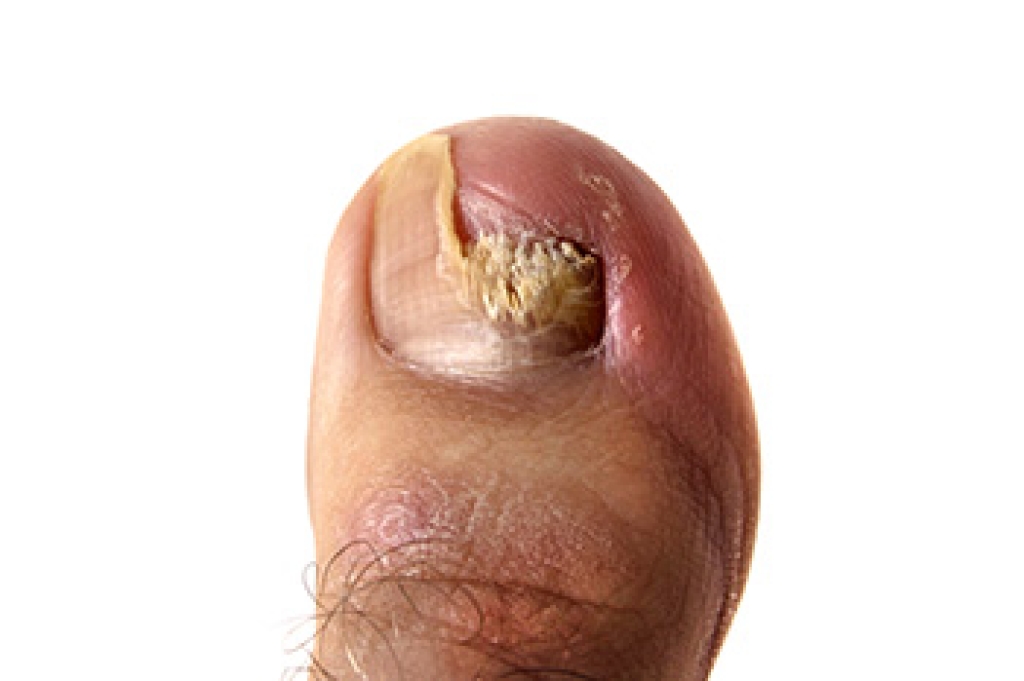
Toenail fungus is a common infection that affects the nail and the skin beneath it. It usually develops slowly, allowing the fungus to spread if left untreated. The infection often begins at the edge of the nail before moving deeper into the nail plate. As it progresses, the toenail may become thicker and more brittle or change color. Although any toenail can be affected, the big toenail is involved most often. Toenail fungus is more common in older adults and people with certain medical conditions, but it can develop in anyone. Because other nail disorders may appear similar, a professional evaluation is important to confirm the diagnosis and recommend the most appropriate treatment. Early podiatry care may also help prevent the infection from becoming more difficult to manage.
Symptoms of toenail fungus vary depending on the severity of the infection. Many people notice a nail that becomes yellow, white, or brown. Others experience thickened nails or nails that become rough and difficult to trim. In more advanced cases, the nail may become misshapen or separate from the nail bed, causing discomfort while walking or wearing shoes. The infection may spread to additional toenails if it is not properly treated. Persistent nail changes should not be ignored because they may affect comfort, mobility, and overall foot health. Prompt evaluation can determine whether a fungal infection or another nail condition is responsible for the symptoms.
A podiatrist specializes in diagnosing and treating toenail fungus and other nail conditions. During an examination, the podiatrist evaluates the affected nail and may recommend testing to confirm the cause of the infection. Treatment focuses on eliminating the infection, improving nail health, and reducing the risk of future problems. Ongoing podiatry care also helps monitor nail growth and identify changes that may require additional attention. If you are experiencing thick, discolored, or brittle toenails, it is suggested that you consult a podiatrist for an evaluation and appropriate treatment options.
If left untreated, toenail fungus may spread to other toenails, skin, or even fingernails. If you suspect you have toenail fungus it is important to seek treatment right away. For more information about treatment, contact Terri Quebedeaux, DPM of Agave Podiatry . Our doctor can provide the care you need to keep you pain-free and on your feet.
Symptoms
Warped or oddly shaped nails
Yellowish nails
Loose/separated nail
Buildup of bits and pieces of nail fragments under the nail
Brittle, broken, thickened nail
Treatment
If self-care strategies and over-the-counter medications does not help your fungus, your podiatrist may give you a prescription drug instead. Even if you find relief from your toenail fungus symptoms, you may experience a repeat infection in the future.
Prevention
In order to prevent getting toenail fungus in the future, you should always make sure to wash your feet with soap and water. After washing, it is important to dry your feet thoroughly especially in between the toes. When trimming your toenails, be sure to trim straight across instead of in a rounded shape. It is crucial not to cover up discolored nails with nail polish because that will prevent your nail from being able to “breathe”.
In some cases, surgical procedure may be needed to remove the toenail fungus. Consult with your podiatrist about the best treatment options for your case of toenail fungus.
If you have any questions please contact our offices located in Seguin, LaVernia, Gonzales, and Lockhart, TX. We offer the newest diagnostic and treatment technologies for all your foot and ankle needs.