
Do you suffer from heel pain when you get up in the morning? If so, you should seek professional help and have a proper diagnosis performed. Heel pain can be caused by several different foot-related conditions.
Do you suffer from heel pain when you get up in the morning? If so, you should seek professional help and have a proper diagnosis performed. Heel pain can be caused by several different foot-related conditions.
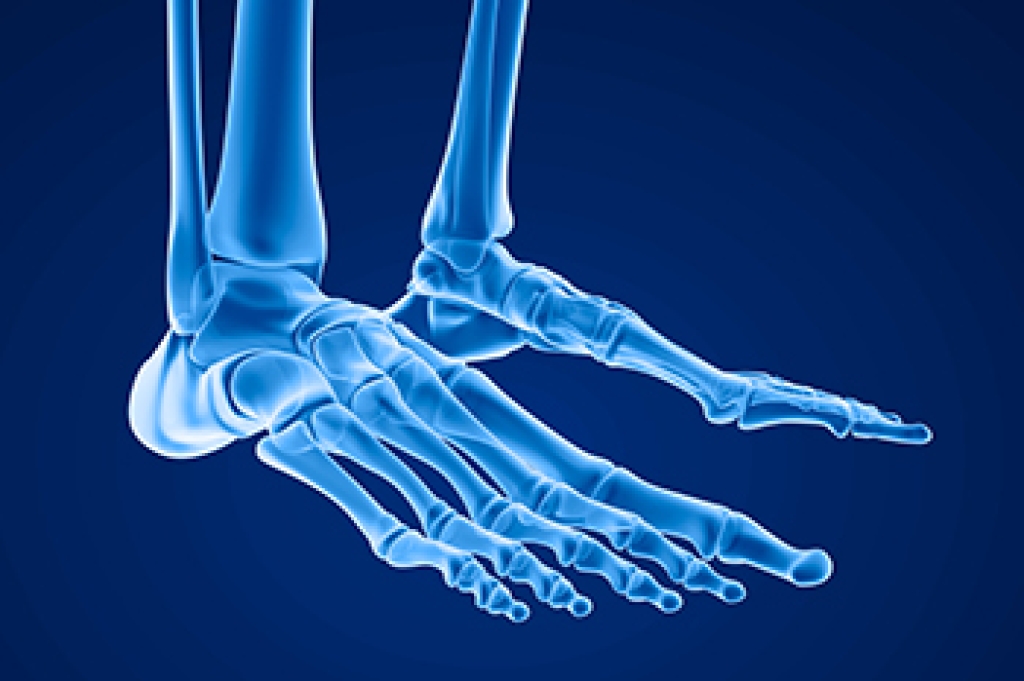
The foot is a complex weight-bearing structure made of bones, joints, tendons and ligaments that work together to support standing, walking and running. Key bones include the talus, which connects the foot to the ankle, the calcaneus which forms the heel, and the navicular, cuboid, and the cuneiforms that create the arch and midfoot stability. These bones form joints that allow smooth coordinated motion while tendons attach muscles to bone to generate movement. Ligaments provide stability by holding the bones in proper alignment. Together they absorb shock, adapt to uneven surfaces and propel the body forward. A podiatrist can evaluate biomechanical function, treat pain, and prevent injury. If you have foot or ankle pain, it is suggested that you consult a podiatrist who can offer effective treatment solutions, and expert tips on how to maintain strong, healthy feet.
If you have any concerns about your feet, contact Terri Quebedeaux, DPM from Agave Podiatry . Our doctor can provide the care you need to keep you pain-free and on your feet.
Biomechanics in Podiatry
Podiatric biomechanics is a particular sector of specialty podiatry with licensed practitioners who are trained to diagnose and treat conditions affecting the foot, ankle and lower leg. Biomechanics deals with the forces that act against the body, causing an interference with the biological structures. It focuses on the movement of the ankle, the foot and the forces that interact with them.
A History of Biomechanics
Modern technological improvements are based on past theories and therapeutic processes that provide a better understanding of podiatric concepts for biomechanics. Computers can provide accurate information about the forces and patterns of the feet and lower legs.
Understanding biomechanics of the feet can help improve and eliminate pain, stopping further stress to the foot.
If you have any questions please feel free to contact our offices located in Seguin, LaVernia, Gonzales, and Lockhart, TX . We offer the newest diagnostic and treatment technologies for all your foot and ankle needs.
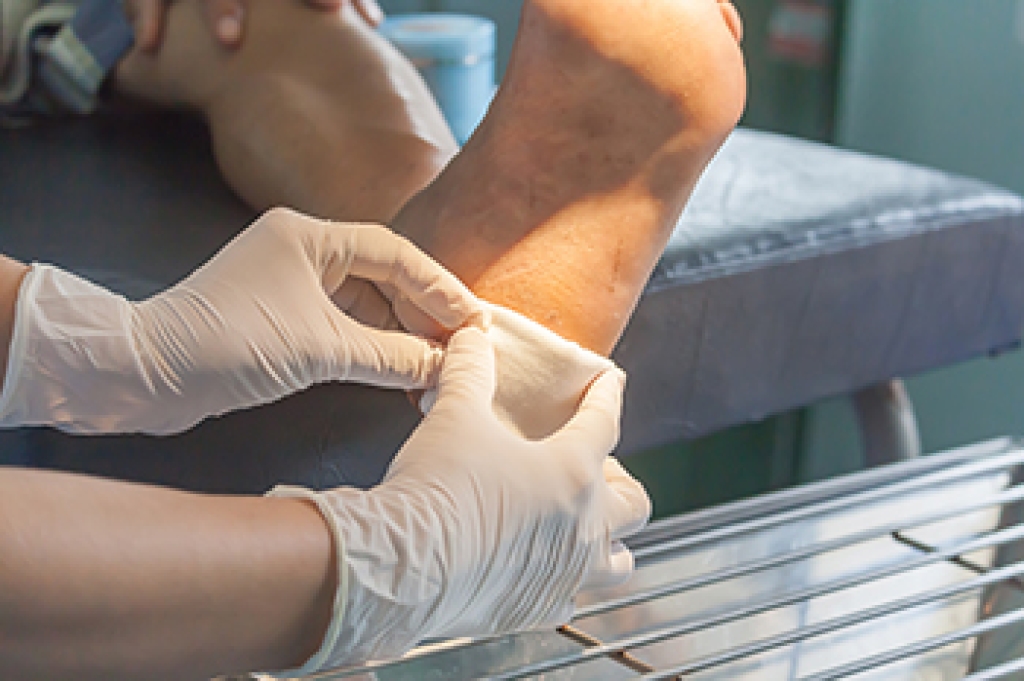
Diabetic foot wounds require prompt, specialized care to prevent infection and support healing. Treatment often begins with antimicrobial wound dressings, which help control bacteria and maintain a healthy wound environment. Compression therapy can improve circulation and reduce swelling, especially in patients with vascular concerns. Regular debridement is critical for removing dead or infected tissue, allowing healthy tissue to grow. Advanced therapies like negative pressure wound therapy use controlled suction to promote healing by reducing fluid buildup and increasing blood flow. Off-loading devices, including custom footwear or braces, relieve pressure on the affected area and help prevent further damage. A comprehensive, personalized approach using these treatments can greatly improve healing outcomes and reduce complications. If you or a loved one has a diabetic foot wound, it is suggested that you schedule an appointment with a podiatrist for expert care and prevention.
Wound care is an important part in dealing with diabetes. If you have diabetes and a foot wound or would like more information about wound care for diabetics, consult with Terri Quebedeaux, DPM from Agave Podiatry . Our doctor will assess your condition and provide you with quality foot and ankle treatment.
What Is Wound Care?
Wound care is the practice of taking proper care of a wound. This can range from the smallest to the largest of wounds. While everyone can benefit from proper wound care, it is much more important for diabetics. Diabetics often suffer from poor blood circulation which causes wounds to heal much slower than they would in a non-diabetic.
What Is the Importance of Wound Care?
While it may not seem apparent with small ulcers on the foot, for diabetics, any size ulcer can become infected. Diabetics often also suffer from neuropathy, or nerve loss. This means they might not even feel when they have an ulcer on their foot. If the wound becomes severely infected, amputation may be necessary. Therefore, it is of the upmost importance to properly care for any and all foot wounds.
How to Care for Wounds
The best way to care for foot wounds is to prevent them. For diabetics, this means daily inspections of the feet for any signs of abnormalities or ulcers. It is also recommended to see a podiatrist several times a year for a foot inspection. If you do have an ulcer, run the wound under water to clear dirt from the wound; then apply antibiotic ointment to the wound and cover with a bandage. Bandages should be changed daily and keeping pressure off the wound is smart. It is advised to see a podiatrist, who can keep an eye on it.
If you have any questions please contact our offices located in Seguin, LaVernia, Gonzales, and Lockhart, TX . We offer the newest diagnostic and treatment technologies for all your foot and ankle needs.
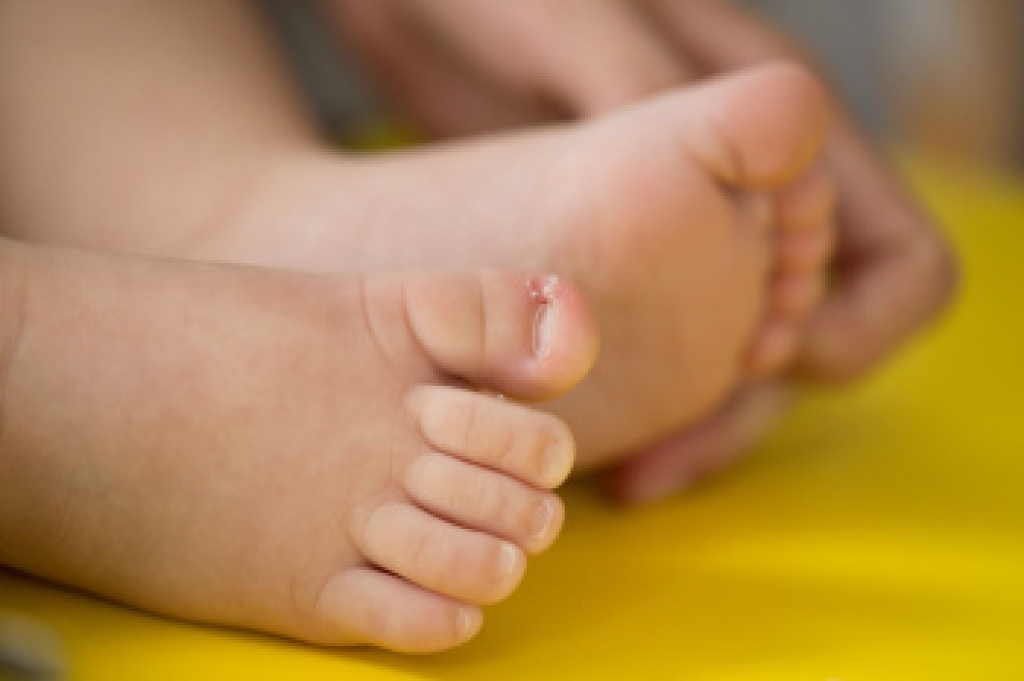
Ingrown toenails in babies occur when the sharp edge of a toenail grows into the surrounding skin, leading to redness, swelling, and possible infection. This can happen when the corners of the nail grow too deeply into the toe or when nails are trimmed too short. Risk factors include improper nail care, natural nail shape, and repeated irritation. Symptoms may include tenderness, inflammation, and discomfort when touching the affected area. Early attention is important to prevent complications. A podiatrist can safely treat the condition, relieve pain, and provide guidance on proper nail care and footwear. If your baby has signs of an ingrown toenail, it is suggested that you consult a podiatrist who can offer effective relief solutions.
Ingrown toenails can become painful if they are not treated properly. For more information about ingrown toenails, contact Terri Quebedeaux, DPM of Agave Podiatry . Our doctor can provide the care you need to keep you pain-free and on your feet.
Ingrown Toenails
Ingrown toenails occur when a toenail grows sideways into the bed of the nail, causing pain, swelling, and possibly infection.
Causes
Prevention
Wearing proper fitting shoes and using proper cutting techniques will also help decrease your risk of developing ingrown toenails.
Treatment
Ingrown toenails are a very treatable foot condition. In minor cases, soaking the affected area in salt or antibacterial soaps will not only help with the ingrown nail itself, but also help prevent any infections from occurring. In more severe cases, surgery is an option. In either case, speaking to your podiatrist about this condition will help you get a better understanding of specific treatment options that are right for you.
If you have any questions, please feel free to contact our offices located in Seguin, LaVernia, Gonzales, and Lockhart, TX . We offer the newest diagnostic and treatment technologies for all your foot care needs.
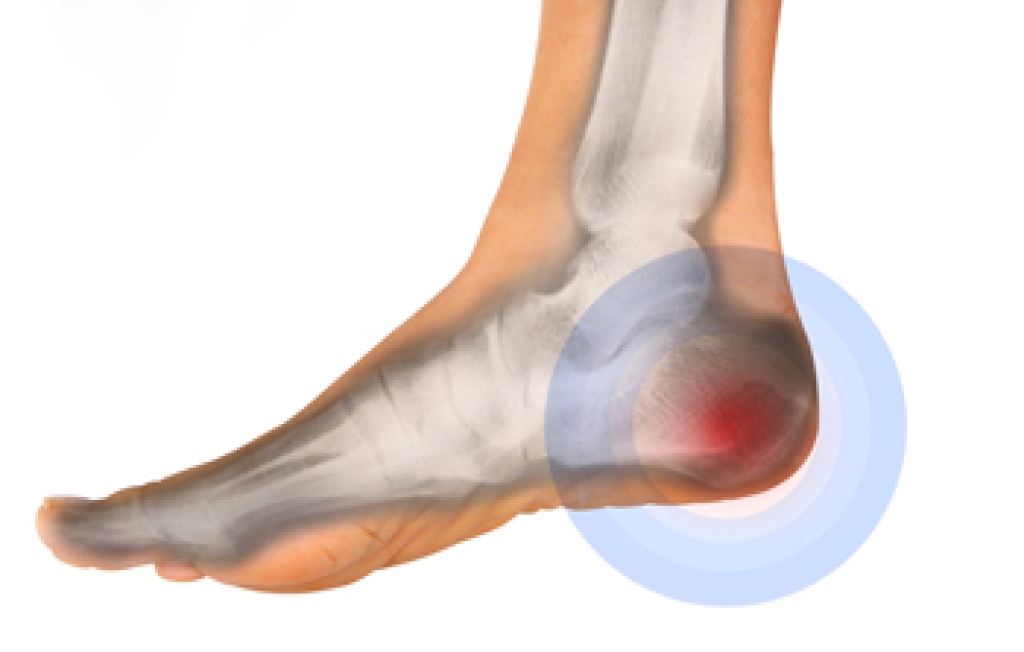
Heel pad syndrome is a source of deep, bruise-like pain felt directly in the center of the heel. The heel contains a thick layer of fatty tissue designed to absorb impact and protect the bone when standing and walking. When this cushioning becomes thinner, irritated, or worn down, pressure transfers into the bone and causes persistent discomfort, especially on hard surfaces or during prolonged activity. Unlike plantar fasciitis, the pain usually stays under the middle of the heel rather than along the arch. Risk factors include aging tissue changes, repetitive impact activities, abnormal foot mechanics, excess weight, and poorly cushioned footwear. A podiatrist can distinguish this condition through examination and imaging when needed. Treatment includes medical padding, custom orthotics, taping techniques, and gait modification. These measures are designed to restore shock absorption and prevent further tissue damage. If you have persistent pain in the center of the heel, it is suggested that you make an appointment with a podiatrist for an exam, diagnosis, and treatment.
Many people suffer from bouts of heel pain. For more information, contact Terri Quebedeaux, DPM of Agave Podiatry . Our doctor can provide the care you need to keep you pain-free and on your feet.
Causes of Heel Pain
Heel pain is often associated with plantar fasciitis. The plantar fascia is a band of tissues that extends along the bottom of the foot. A rip or tear in this ligament can cause inflammation of the tissue.
Achilles tendonitis is another cause of heel pain. Inflammation of the Achilles tendon will cause pain from fractures and muscle tearing. Lack of flexibility is also another symptom.
Heel spurs are another cause of pain. When the tissues of the plantar fascia undergo a great deal of stress, it can lead to ligament separation from the heel bone, causing heel spurs.
Why Might Heel Pain Occur?
Treatments
Heel pain should be treated as soon as possible for immediate results. Keeping your feet in a stress-free environment will help. If you suffer from Achilles tendonitis or plantar fasciitis, applying ice will reduce the swelling. Stretching before an exercise like running will help the muscles. Using all these tips will help make heel pain a condition of the past.
If you have any questions, please feel free to contact our offices located in Seguin, LaVernia, Gonzales, and Lockhart, TX . We offer the newest diagnostic and treatment technologies for all your foot care needs.
Connect With Us
