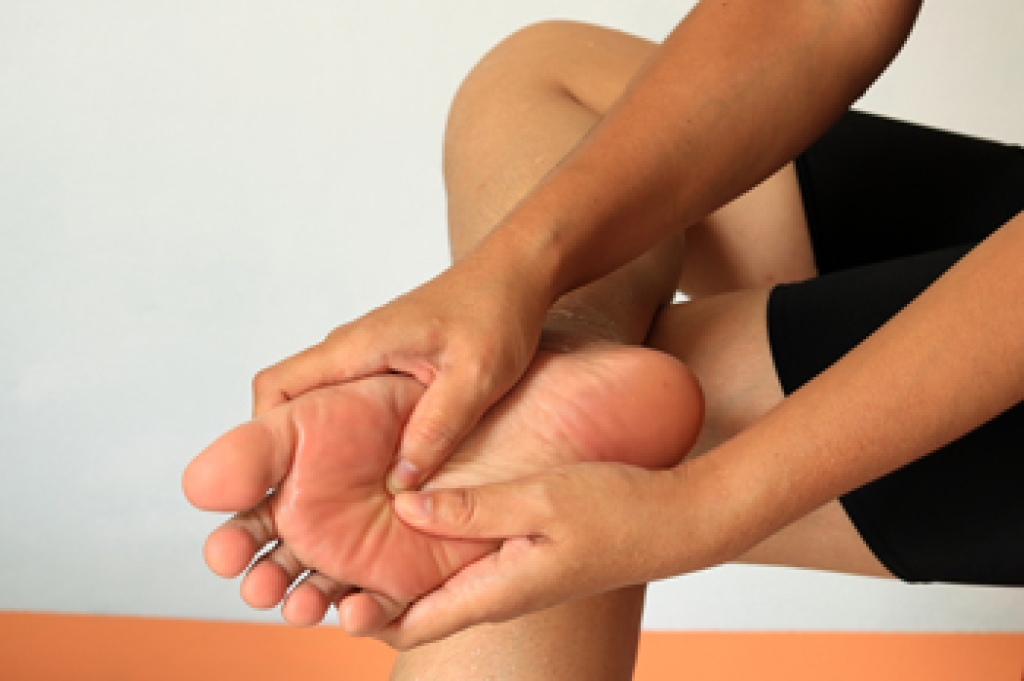
Causes of Ball of the Foot Pain

Persistent pain in the ball of the foot, termed metatarsalgia, can affect walking, standing, and other daily activities. One major cause of metatarsalgia is increased pressure on the forefoot, often linked to high-impact activities, prolonged standing, or footwear without proper cushioning. Structural issues such as high arches, flat feet, bunions, or hammertoes can also shift weight forward and strain the metatarsal bones. Inflammation of surrounding soft tissues, nerve irritation like Morton’s neuroma, and stress fractures may also contribute to discomfort in this area. A podiatrist can evaluate foot structure, gait, and activity level to identify the underlying cause of pain. Treatment includes footwear guidance, custom orthotics, padding, activity modification, and other medical interventions based on the diagnosis. If you are experiencing pain in the ball of the foot, it is suggested that you make an appointment with a podiatrist for an exam, diagnosis, and treatment.

Foot Pain

Foot pain can be extremely painful and debilitating. If you have a foot pain, consult with Terri Quebedeaux, DPM from Agave Podiatry . Our doctor will assess your condition and provide you with quality foot and ankle treatment.

Causes

Foot pain is a very broad condition that could be caused by one or more ailments. The most common include:

  • Bunions
  • Hammertoes
  • Plantar Fasciitis
  • Bone Spurs
  • Corns
  • Tarsal Tunnel Syndrome
  • Ingrown Toenails
  • Arthritis (such as Gout, Rheumatoid, and Osteoarthritis)
  • Flat Feet
  • Injury (from stress fractures, broken toe, foot, ankle, Achilles tendon ruptures, and sprains)
  • And more

Diagnosis

To figure out the cause of foot pain, podiatrists utilize several different methods. This can range from simple visual inspections and sensation tests to X-rays and MRI scans. Prior medical history, family medical history, and any recent physical traumatic events will all be taken into consideration for a proper diagnosis.

Treatment

Treatment depends upon the cause of the foot pain. Whether it is resting, staying off the foot, or having surgery; podiatrists have a number of treatment options available for foot pain.

If you have any questions, please feel free to contact our offices located in Seguin, LaVernia, Gonzales, and Lockhart, TX . We offer the newest diagnostic and treatment technologies for all your foot care needs.

Read more about Foot Pain

Heel Pain in the Morning?

Heel pain can negatively affect your day-to-day life. Simple activities like walking can become incredibly uncomfortable or painful due to heel pain.

Don’t live with heel pain and get treated.

Gentle Solutions for Corns and Calluses

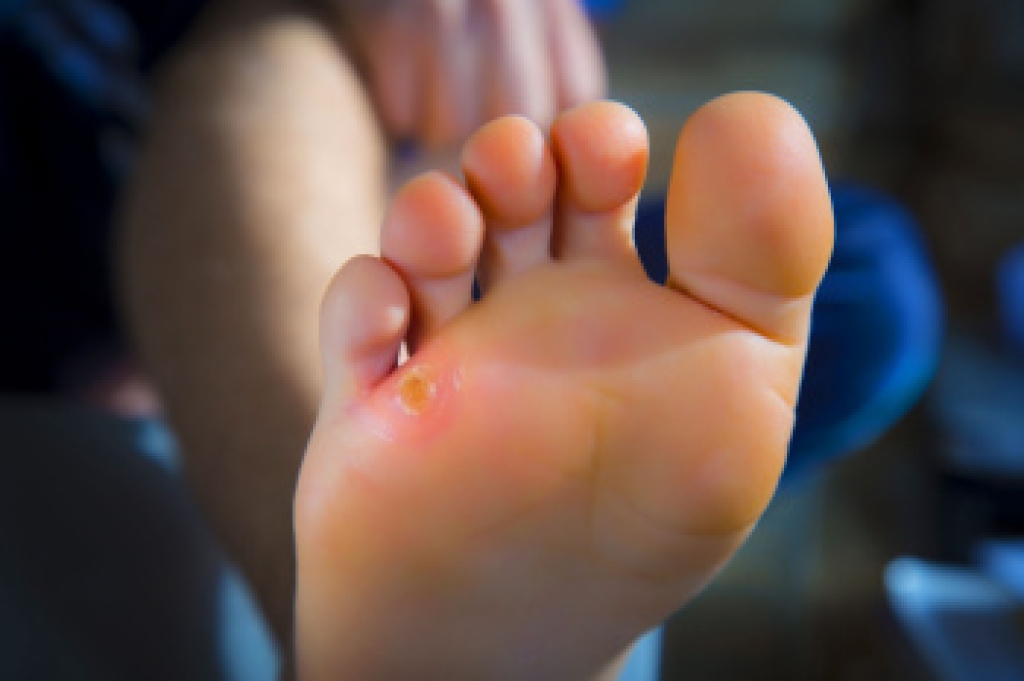
Corns and calluses form when the skin responds to repeated pressure or friction by building extra layers for protection. This process involves excessive growth of the outer skin layer, which can become thick, hard, and uncomfortable over time. Corns tend to be smaller and more focused, while calluses usually spread across weight-bearing areas of the foot. Treatment begins by identifying and reducing the source of pressure. Wearing proper footwear, cushioning pads, and custom orthotics can help redistribute force and prevent recurrence. Professional trimming of thickened skin provides relief and lowers the risk of cracking or infection. Moisturizing care may also improve skin flexibility. Self-treatment with sharp tools or harsh chemicals is discouraged. If your corns or calluses become painful, return often, or interfere with walking, it is suggested that you see a podiatrist for a proper diagnosis and appropriate treatment.

If you have any concerns regarding your feet and ankles, contact Terri Quebedeaux, DPM of Agave Podiatry . Our doctor will treat your foot and ankle needs.

Corns: What Are They? and How Do You Get Rid of Them?
Corns can be described as areas of the skin that have thickened to the point of becoming painful or irritating. They are often layers and layers of the skin that have become dry and rough, and are normally smaller than calluses.

Ways to Prevent Corns
There are many ways to get rid of painful corns such as wearing:

  • Well-fitting socks
  • Comfortable shoes that are not tight around your foot
  • Shoes that offer support

Treating Corns
Treatment of corns involves removing the dead skin that has built up in the specific area of the foot. Consult with Our doctor to determine the best treatment option for your case of corns.

If you have any questions, please feel free to contact our offices located in Seguin, LaVernia, Gonzales, and Lockhart, TX . We offer the newest diagnostic and treatment technologies for all your foot care needs.

Read more about Everything You Need to Know About Corns

Shoes for Retail Workers

Choosing the right shoes is essential for retail workers who spend much of the day standing and walking. Proper fit is the most important factor, as shoes that are too tight or too loose can lead to pain, blisters, and fatigue. Trying shoes on at the end of the day can help ensure they accommodate natural foot swelling. Arch support is also critical, as it helps distribute pressure evenly and reduces strain on the feet, ankles, and lower legs. Cushioned soles and supportive materials can improve comfort throughout long shifts. A podiatrist can assess foot structure, identify problem areas, and recommend appropriate footwear or custom orthotics to enhance support and reduce discomfort. If you have foot pain at work, it is suggested that you consult a podiatrist for personalized guidance and expert care.

While working on the feet, it is important to take the proper care of them. For more information about working on your feet, contact Terri Quebedeaux, DPM from Agave Podiatry . Our doctor will treat your foot and ankle needs.

Working on Your Feet

Standing on your feet for long periods of time can cause stress and pain in your feet. Your whole body may experience change in terms of posture, back pain, bunions, callouses and or plantar warts. There are ways to avoid these conditions with proper foot care, smart choices and correct posture.

Positive Changes

Negative heeled shoe – Choosing this shoe type places the heel slightly lower than the ball of the foot. These are great for overall foot health. Find shoes that fit you correctly.

Go barefoot – Our feet were not designed to be enclosed for all hours of the day. Try to periodically expose your feet to air.

Eliminate Pain

Foot Exercises – Performing simple exercises, incorporating yoga and doing stretches are beneficial. This will allow increased blood flow to the area and muscles of the foot.

Achilles tendon – Stretching the foot out flat on the floor will relax the calf muscles and tendon. These exercises can be performed almost anywhere. Make sure you add these exercises to your daily regimen. 

With a little bit of this information and knowing more about foot health, you will notice changes. Foot stretches and proper footwear will help with pain and prevent further issues.

If you have any questions please contact our offices located in Seguin, LaVernia, Gonzales, and Lockhart, TX . We offer the newest diagnostic and treatment technologies for all your foot and ankle needs.

Read more about How to Handle a Long Work Day on Your Feet

Symptoms of Plantar Fasciitis

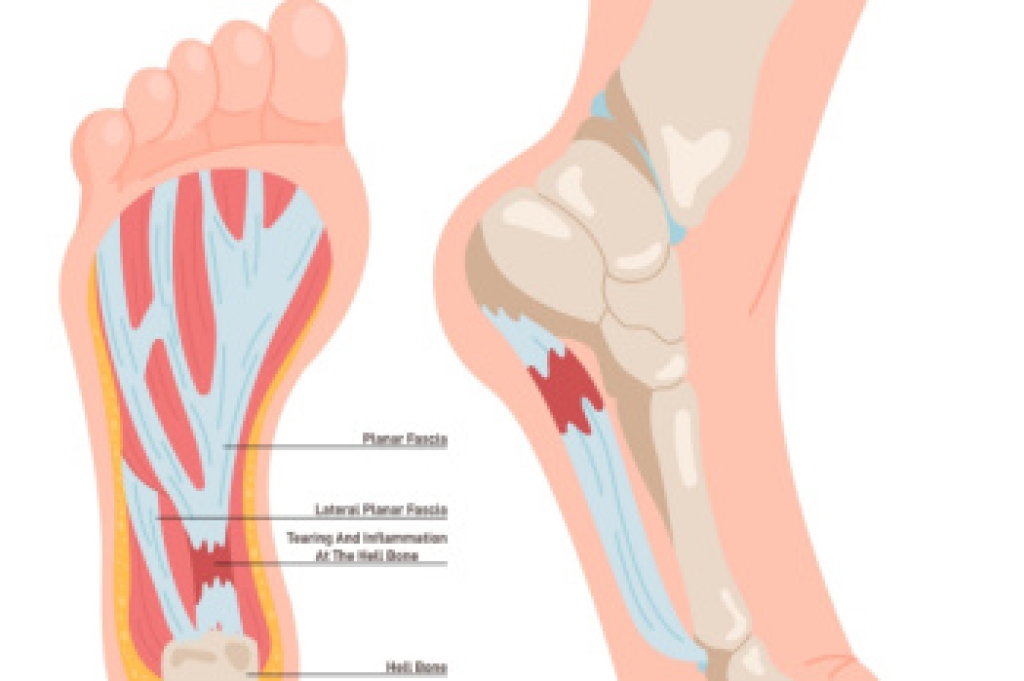
Plantar fasciitis is an inflammatory condition involving the plantar fascia, the thick band of tissue that supports the arch and connects the heel to the toes. It is the leading cause of heel pain, and commonly presents as a sharp stabbing pain in the heel or arch, especially with the first steps in the morning or after periods of rest. Discomfort may lessen with movement, but often returns after prolonged standing or activity. Risk factors include flat feet, high arches, obesity, wearing improper footwear, and repetitive stress from running or standing for long hours. A podiatrist can provide stretching guidance, custom orthotics, and targeted treatment to relieve pain. If you have heel pain, it is suggested that you consult a podiatrist who can accurately diagnose and treat plantar fasciitis.

Plantar fasciitis is a common foot condition that is often caused by a strain injury. If you are experiencing heel pain or symptoms of plantar fasciitis, contact Terri Quebedeaux, DPM from Agave Podiatry . Our doctor can provide the care you need to keep you pain-free and on your feet.

What Is Plantar Fasciitis?

Plantar fasciitis is one of the most common causes of heel pain. The plantar fascia is a ligament that connects your heel to the front of your foot. When this ligament becomes inflamed, plantar fasciitis is the result. If you have plantar fasciitis you will have a stabbing pain that usually occurs with your first steps in the morning. As the day progresses and you walk around more, this pain will start to disappear, but it will return after long periods of standing or sitting.

What Causes Plantar Fasciitis?

  • Excessive running
  • Having high arches in your feet
  • Other foot issues such as flat feet
  • Pregnancy (due to the sudden weight gain)
  • Being on your feet very often

There are some risk factors that may make you more likely to develop plantar fasciitis compared to others. The condition most commonly affects adults between the ages of 40 and 60. It also tends to affect people who are obese because the extra pounds result in extra stress being placed on the plantar fascia.

Prevention

  • Take good care of your feet – Wear shoes that have good arch support and heel cushioning.
  • Maintain a healthy weight
  • If you are a runner, alternate running with other sports that won’t cause heel pain

There are a variety of treatment options available for plantar fasciitis along with the pain that accompanies it. Additionally, physical therapy is a very important component in the treatment process. It is important that you meet with your podiatrist to determine which treatment option is best for you.

If you have any questions, please feel free to contact our offices located in Seguin, LaVernia, Gonzales, and Lockhart, TX . We offer the newest diagnostic and treatment technologies for all your foot care needs.
 

Read more about Plantar Fasciitis

Connect With Us